




What's Happening?
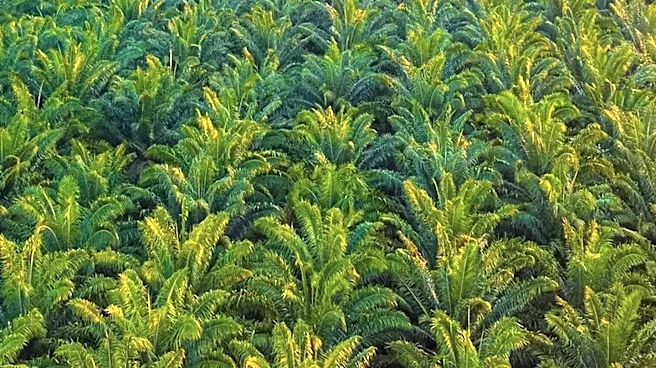
The European Union Deforestation Regulation (EUDR) has excluded palm oil waste from its scope, allowing for expanded agricultural applications. Palm oil production generates waste such as empty fruit branches, trunks, fronds, and palm oil mill effluent
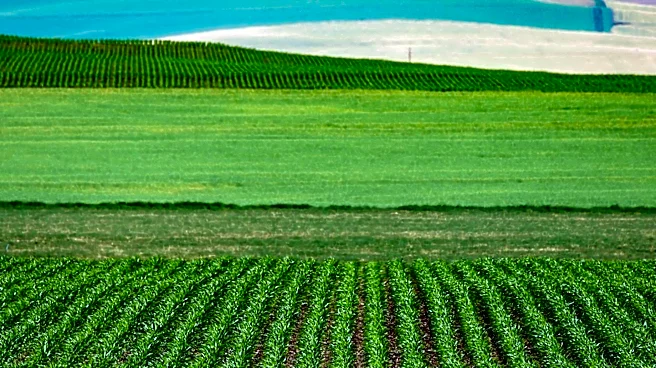
(POME), which can be used in biofuels and agriculture. These waste products can be converted into biochar, compost, and fertilizers, supporting soil health and crop yields. The exemption simplifies trade and encourages the use of palm oil waste in regenerative and organic agriculture, benefiting both the environment and agricultural productivity.
Why It's Important?
The exclusion of palm oil waste from EUDR's scope represents a significant opportunity for the agricultural sector to utilize these waste products in sustainable practices. By converting palm oil waste into valuable resources, the industry can reduce environmental impact and enhance soil health, contributing to climate resilience and food security. The exemption also facilitates trade, allowing for easier access to palm oil waste for agricultural applications. This development aligns with broader efforts to promote circular economy principles and reduce reliance on synthetic fertilizers.
What's Next?
With palm oil waste excluded from EUDR, stakeholders will likely explore new applications and markets for these products, potentially expanding their use in agriculture and biofuels. The industry may invest in technologies and processes to optimize the conversion of palm oil waste into valuable resources, enhancing sustainability and economic viability. As the benefits of using palm oil waste become more apparent, policymakers may consider further incentives to support its adoption, encouraging innovation and collaboration within the agricultural sector.