



What's Happening?
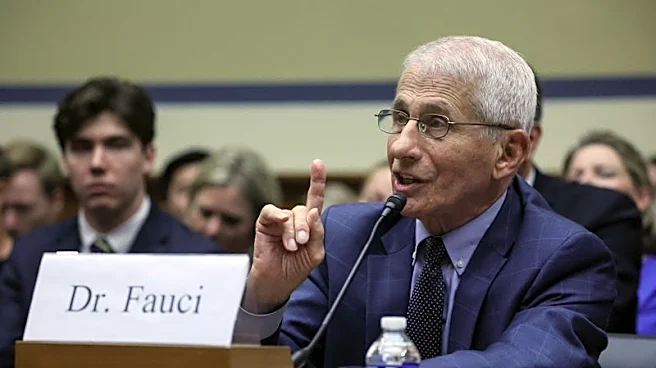
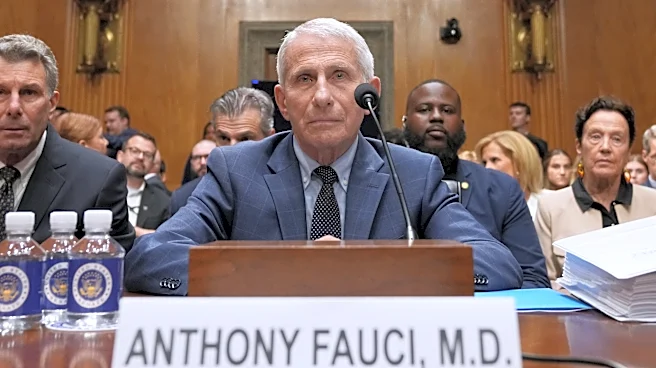
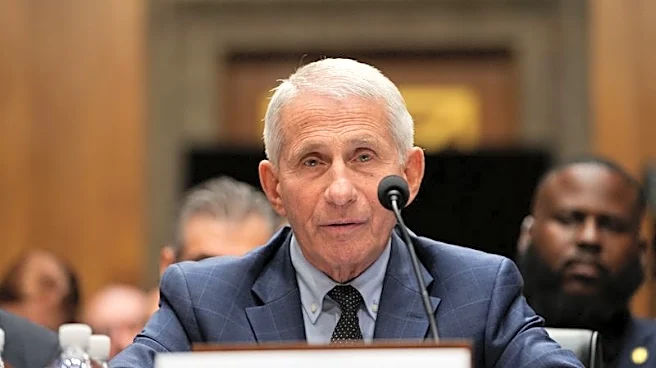
Dr. Anthony Fauci, the former head of the U.S. COVID-19 response, is facing renewed scrutiny from Senate Republicans, particularly Senator Rand Paul, regarding the origins of the coronavirus pandemic. Senator Paul has subpoenaed Fauci to testify before
a Senate committee, accusing him of providing misleading information about the pandemic's origins. Paul has released over a thousand pages of Fauci's personal diary, suggesting discrepancies between Fauci's private notes and public statements. Fauci, who retired from government service in 2022, has consistently denied these allegations, labeling them as baseless. The hearing is expected to focus on whether NIH-funded research in China contributed to the pandemic's onset, a theory that lacks new scientific evidence but is supported by some Republicans. Fauci has maintained that the virus likely emerged naturally, similar to other coronaviruses like SARS and MERS.
Why It's Important?
The ongoing investigation into the origins of COVID-19 has significant implications for public trust in scientific institutions and government transparency. The scrutiny of Dr. Fauci, a prominent figure in the pandemic response, highlights the deep partisan divide over pandemic policies and their impacts. The outcome of these hearings could influence future public health strategies and funding for scientific research. Additionally, the debate over 'gain of function' research and its potential risks could lead to changes in how such research is conducted and regulated. The hearings also underscore the political challenges faced by scientists in navigating public health crises amidst political pressures.
What's Next?
The Senate hearing is likely to intensify the debate over the origins of COVID-19 and the role of U.S. funding in international research. Depending on the findings, there could be calls for further investigations or policy changes regarding research funding and oversight. The scientific community may also respond with increased advocacy for evidence-based conclusions and the protection of scientific integrity. The hearings could also impact public perception of the pandemic response and influence future electoral outcomes, particularly if they become a focal point in political campaigns.