




What's Happening?
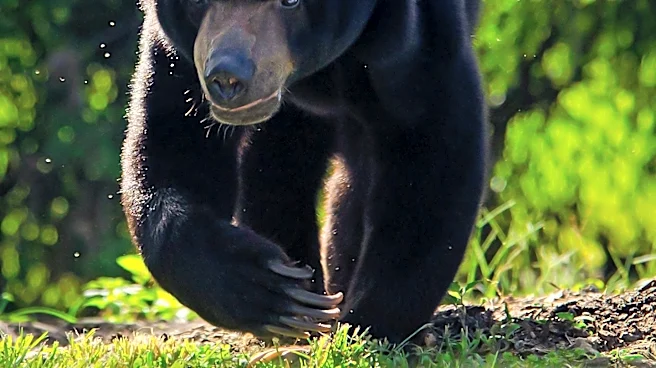
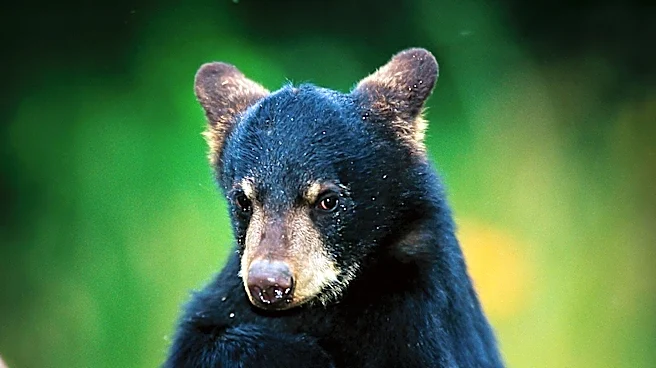
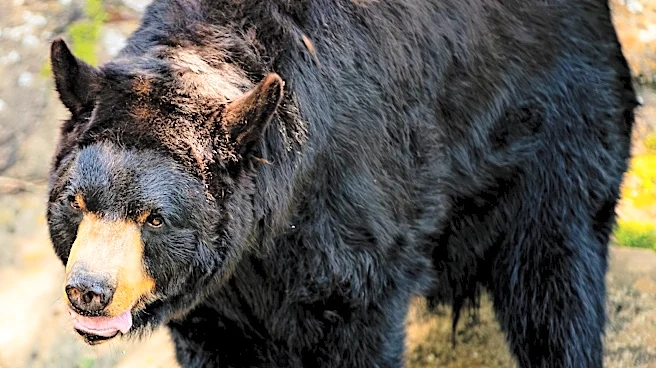
The North Carolina Wildlife Resources Commission (NCWRC) is working to manage the bear population in the state, particularly in the Asheville area, where the mountain region's bear population is estimated at 9,000. According to Ashley Hobbs, NCWRC BearWise
coordinator, experts are finding that human-provided food sources are artificially increasing the reproductive rate of bears. This makes managing the population in Asheville more challenging compared to other cities, partly due to specific hunting regulations in place. The NCWRC is now urging residents to reduce the availability of food attractants such as bird feeders, hummingbird feeders, and garbage to help stabilize the bear population's reproductive rate.
Why It's Important?
The increasing bear population, fueled by human-provided food, poses significant implications for public safety and wildlife management in urban and suburban areas of North Carolina. When bears become accustomed to human food sources, they lose their natural foraging instincts and are more likely to venture into residential areas, leading to increased human-bear conflicts. This situation can result in property damage, injuries to residents, and ultimately, the need for wildlife officials to intervene, which can be costly and resource-intensive. The reliance on public cooperation to secure food attractants highlights a critical intersection of urban development and wildlife conservation, emphasizing the community's role in maintaining ecological balance and ensuring the safety of both humans and animals.
What's Next?
The North Carolina Wildlife Resources Commission will continue to rely on public education and community engagement to encourage residents to secure food attractants. This includes ongoing efforts through programs like BearWise, which provides information on how to prevent human-bear interactions. Wildlife experts will monitor the bear population and the effectiveness of these mitigation strategies. The long-term goal is to reduce the artificial increase in the bear reproductive rate caused by human food sources, aiming for a more stable and sustainable bear population in the Asheville area. Residents are encouraged to report bear activity and seek wildlife assistance through the N.C. Wildlife Helpline.
Beyond the Headlines
The challenge of managing the bear population in Asheville extends beyond immediate safety concerns, touching upon broader ethical and ecological considerations. The artificial increase in bear reproductive rates due to human intervention raises questions about the long-term health and natural behavior of the bear population. Dependence on human food can lead to nutritional deficiencies, altered migration patterns, and increased susceptibility to diseases among bears. Furthermore, the situation underscores the growing impact of human expansion into natural habitats and the need for sustainable coexistence strategies. It highlights the importance of understanding wildlife behavior and implementing proactive measures to prevent conflicts, rather than solely reacting to incidents, fostering a more harmonious relationship between urban communities and their natural surroundings.