






What's Happening?
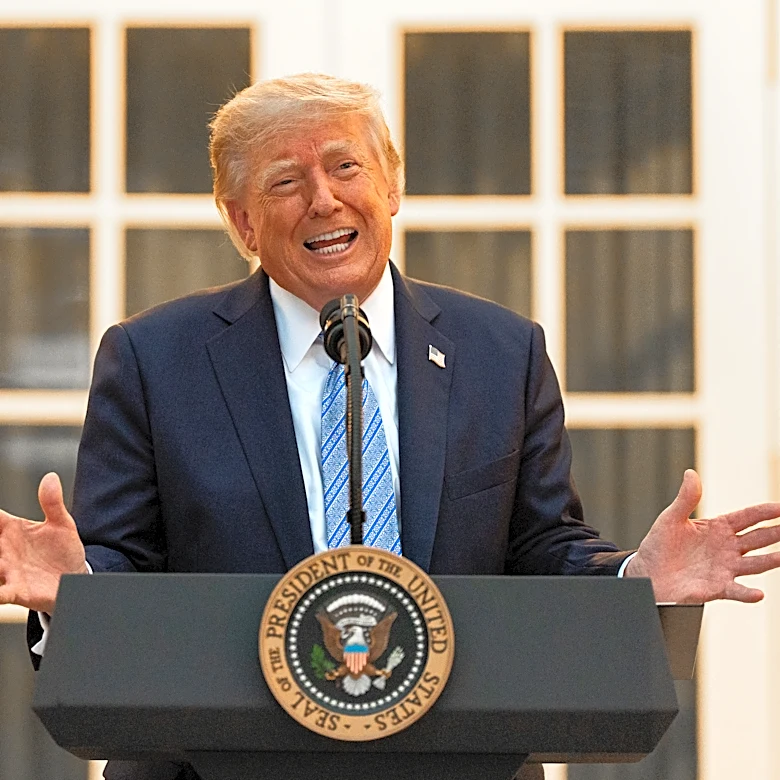
A study group convened by the Council on Foreign Relations (CFR) has analyzed the foreign policy perspectives of voters who supported President Trump in the 2024 election. Drawing on survey data, the group concluded that even voters who do not primarily
identify as 'foreign policy voters' often hold strong opinions on international issues. These views are expected to significantly influence U.S. foreign policy in the coming years. The report, authored by expert Elliott Abrams, suggests that the coalition that backed President Trump in 2024 is unlikely to reassemble for the 2028 election, with foreign policy issues playing a crucial role in how voters will decide their support in that future contest.
Why It's Important?
This CFR report highlights the evolving landscape of U.S. foreign policy and its intersection with domestic electoral politics. It underscores that public sentiment on international affairs, even among those not typically focused on foreign policy, can be a decisive factor in presidential elections. For policymakers and political strategists, understanding these nuanced voter perspectives is critical for crafting effective foreign policy platforms and campaign messages. The anticipated fragmentation of President Trump's 2024 voter coalition by 2028, driven in part by foreign policy considerations, indicates a potential shift in the political dynamics that could shape future U.S. global engagement. This analysis provides valuable insights into the underlying currents influencing American voters' choices regarding the nation's role on the world stage.
What's Next?
The findings of this CFR study are likely to inform discussions within political circles and think tanks regarding future U.S. foreign policy directions and electoral strategies. Political parties and candidates preparing for the 2028 election will likely consider these insights when developing their foreign policy platforms, aiming to appeal to a diverse electorate with strong, albeit sometimes unarticulated, views on international issues. The report's prediction of a shifting voter coalition suggests that foreign policy debates could become more central to future presidential campaigns, potentially leading to new policy proposals and alliances. Further research may delve deeper into specific foreign policy issues that resonate most with different voter segments.
Beyond the Headlines
The study's emphasis on 'non-foreign policy voters' having strong views on international issues reveals a deeper trend: the increasing interconnectedness of global events with everyday American lives. Issues such as trade, immigration, and national security, often framed as foreign policy, directly impact domestic economic conditions and social stability. This suggests a growing public awareness, perhaps driven by globalized media and personal experiences, that U.S. foreign policy is not an abstract concept but a tangible force shaping their communities. The report implicitly challenges the traditional categorization of voters, indicating that a more holistic understanding of public opinion, where domestic and international concerns are intertwined, is necessary for effective governance and political engagement.