



What's Happening?
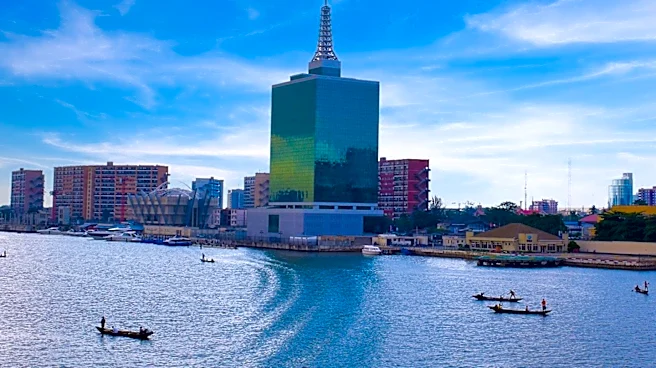
The National Inland Waterways Authority (NIWA) and Parts Central Limited have initiated a 10-year renewable program to clean up Lagos waterways. This initiative, unveiled in Lagos, aims to remove waste, improve navigation, protect aquatic life, create
jobs, and support Nigeria's blue economy. A structured waste management system will be established for boats, jetties, landing ports, and waterfront facilities across Lagos State. Sarat Braimah, NIWA Lagos Area Manager, emphasized that the partnership is designed to ensure the nation's inland waterways remain clean, safe, and navigable. The program will require cooperation from waterfront owners, dredging operators, boat operators, and other waterway users. Waterfront owners are urged to provide appropriate waste disposal facilities, and companies operating along the waterways are called upon to properly treat and dispose of their waste. Henry Onifade, Managing Director of Parts Central Limited, stated that technology would be deployed to cover waterfronts, landing ports, and jetties. Designated waste bins will be provided for boats and other watercraft, with larger 'mother bins' installed at jetties for waste offloading.
Why It's Important?
This initiative is crucial for Nigeria's economic and environmental well-being. For years, waste in Lagos waterways has hindered navigation, threatened aquatic life, and impacted the livelihoods of communities dependent on these waters. By improving navigation, the program can enhance trade and transportation efficiency, reducing delays and costs for businesses. The protection of aquatic life is vital for maintaining biodiversity and supporting the fishing industry, which provides food security and income for many. The creation of jobs through waste management and related activities will contribute to economic growth and poverty reduction. Furthermore, supporting Nigeria's blue economy, which encompasses all economic activities related to oceans, seas, and coastal areas, can unlock significant potential for sustainable development. Cleaner waterways will also boost the tourism sector, as highlighted by Bolaji Mustapha, President of the National Association of Nigerian Travel Operators (NATOP), who noted that cleaner and safer waterways are essential for water-based tourism growth and international perception of Nigeria.
What's Next?
The success of the 10-year initiative will depend on sustained cooperation from all stakeholders, including waterfront communities, waterway operators, and companies. NIWA and Parts Central are expected to intensify awareness campaigns to ensure compliance and foster a sense of collective responsibility for environmental protection. The deployment of technology for waste collection and disposal will be a key step, along with the establishment of the structured waste management system. Continuous monitoring and enforcement will be necessary to address issues such as illegal dredging, which poses a significant threat to the aquatic environment and fishing activities. The Lagos State Commissioner for Waterfront Infrastructure Development, Ekundayo Alebiosu, underscored the importance of collaboration between federal and state governments, suggesting that future efforts will likely involve continued inter-governmental coordination to maintain clean, safe, and usable waterways.
Beyond the Headlines
Beyond the immediate environmental and economic benefits, this initiative could set a precedent for other regions in Nigeria and potentially other developing nations facing similar challenges with waterway pollution. The emphasis on collective responsibility and stakeholder engagement highlights a shift towards more inclusive and sustainable environmental governance. The program's long-term nature suggests a commitment to systemic change rather than short-term fixes, which could lead to a more resilient and environmentally conscious society. The integration of technology in waste management also points to a broader trend of leveraging innovation for environmental solutions. If successful, this project could transform Lagos's waterways into a model of sustainable urban water management, enhancing both ecological health and human well-being, and potentially attracting further investment in Nigeria's blue economy.