



What's Happening?
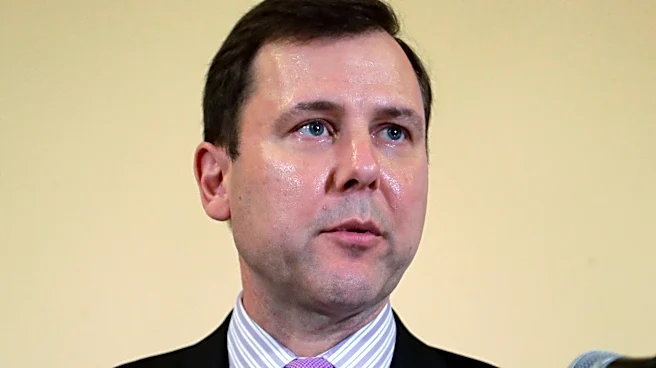
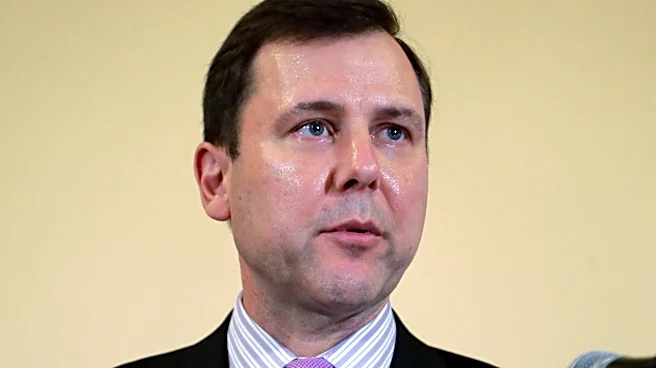
Adam Hamawy, a plastic surgeon and retired Army doctor, has emerged as a significant figure in the political landscape following his victory in the Democratic primary for New Jersey’s 12th congressional district. Hamawy is expected to secure the seat
in the upcoming November elections. His candidacy has attracted attention due to his past involvement as a defense witness for Omar Abdel-Rahman, known as the Blind Sheikh, who was convicted for his role in the 1993 World Trade Center bombing. Despite this association, Hamawy has not faced any charges related to terrorism. His career includes over 20 years of service as a medical doctor in the U.S. Army, during which he provided critical medical care to now-Senator Tammy Duckworth. The Democratic Party now faces the challenge of addressing Hamawy's past associations as he moves closer to a congressional seat.
Why It's Important?
The candidacy of Adam Hamawy highlights the complexities within the Democratic Party regarding the acceptance of candidates with controversial pasts. His association with a convicted terrorist raises questions about the boundaries of the party's inclusivity and the potential impact on its image. This situation also underscores the scrutiny candidates face regarding their past actions and affiliations, especially when these involve national security concerns. The Republican Party is likely to use Hamawy's past as a point of criticism, potentially influencing voter perceptions and the party's strategy in the upcoming elections. The outcome of this situation could set a precedent for how political parties handle candidates with contentious histories.
What's Next?
As the November elections approach, the Democratic Party will need to navigate the potential fallout from Hamawy's past associations. This may involve strategic communication efforts to address voter concerns and mitigate any negative impact on the party's image. Additionally, Hamawy's campaign will likely focus on his military service and professional achievements to counterbalance the controversy. The Republican Party is expected to continue highlighting Hamawy's past in their campaign strategies, which could influence voter turnout and preferences. The broader implications for the Democratic Party's candidate selection process and its approach to controversial figures will be closely watched.