


What's Happening?
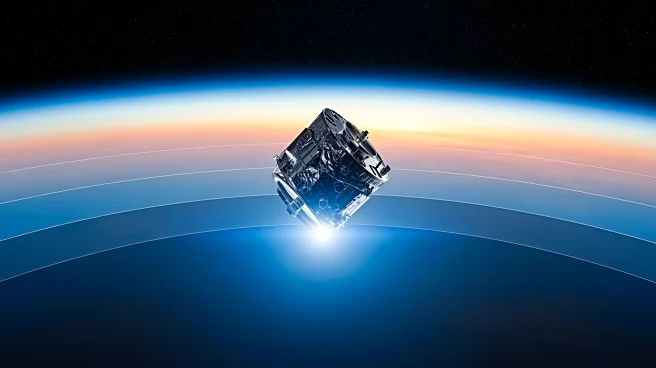
NASA's Van Allen Probe, a 1,323-pound satellite, is expected to reenter Earth's atmosphere on March 10, 2026. Originally launched in August 2012 alongside its twin, Van Allen Probe B, the mission was designed to study Earth's radiation belts and the impact
of solar activity on astronauts and technology. Although the mission was intended to last only two years, both probes remained operational until 2019. Due to increased solar activity, Earth's atmosphere expanded, creating more drag and causing the probes to descend earlier than anticipated. While most of the spacecraft is expected to burn up upon reentry, some debris may survive. However, NASA estimates the risk to human life is extremely low, with a probability of harm at approximately 1 in 4,200.
Why It's Important?
The reentry of the Van Allen Probe highlights the challenges of managing space debris and the potential risks associated with decommissioned satellites. While the risk to human life is minimal, the event underscores the importance of monitoring and predicting the behavior of space objects as they reenter Earth's atmosphere. This incident also serves as a reminder of the need for international cooperation in space exploration and debris management, as the increasing number of satellites in orbit raises concerns about space traffic and potential collisions. The data collected by the Van Allen Probes has been crucial in improving forecasts of space weather events, which can have significant implications for satellite operations and communication systems on Earth.
What's Next?
Following the reentry of the Van Allen Probe, space agencies and organizations will continue to monitor the situation to ensure public safety. The event may prompt discussions on enhancing international guidelines for satellite decommissioning and debris management. Additionally, the scientific community will likely analyze the data collected during the mission to further understand the dynamics of Earth's radiation belts and their impact on space weather. As space exploration continues to expand, the development of technologies and strategies to mitigate the risks associated with space debris will remain a priority for agencies like NASA and the international space community.