







What's Happening?
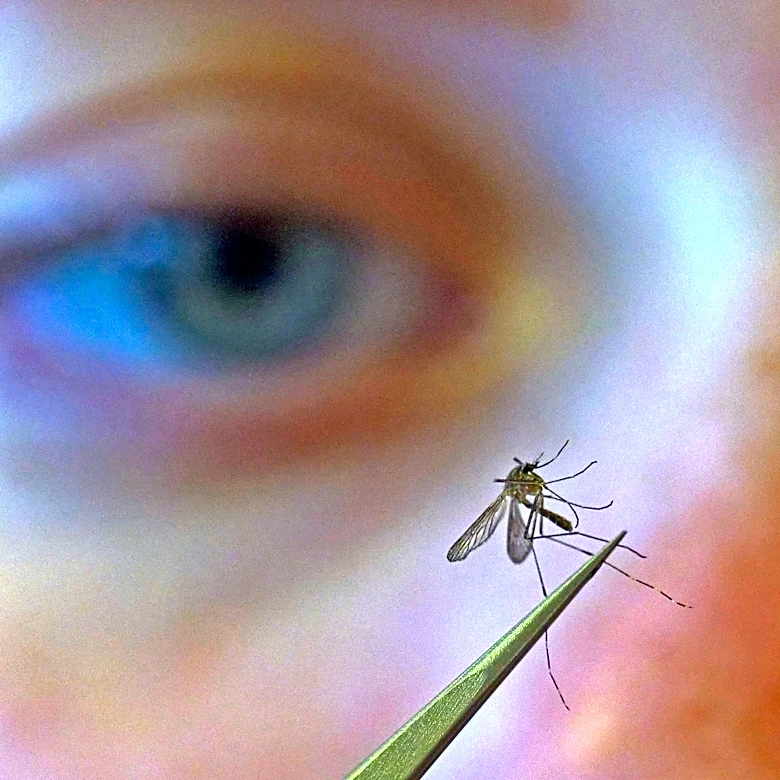
As summer activities increase, so do the risks associated with them. A recent report emphasizes the importance of safety measures to prevent common summer-related injuries and illnesses. Key areas of concern include water safety, heat exhaustion, tick
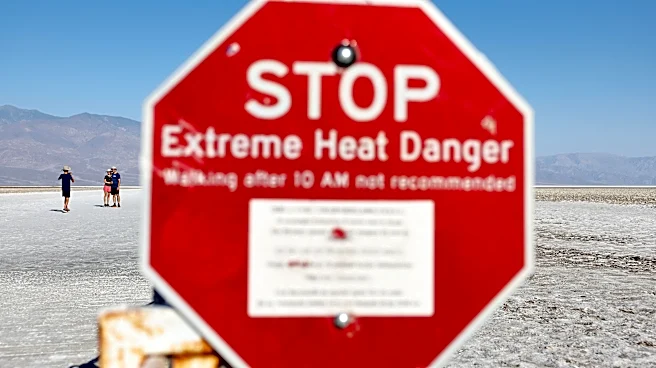
bites, and fire safety during grilling. The American Red Cross outlines essential water safety skills, such as the ability to float, tread water, and swim 25 yards without stopping. Additionally, the concept of a 'water-watcher' is introduced, where an adult is designated to monitor children in water to prevent drowning. Heat exhaustion is another major concern, with symptoms like excessive sweating and dizziness. Vulnerable groups include seniors and those with preexisting conditions. Tick bites, which can lead to diseases like Lyme, are prevalent in summer, especially in the Northeast. Precautions include wearing protective clothing and using repellents. Lastly, grilling safety is highlighted, advising that grills be used in open spaces to prevent fire hazards.
Why It's Important?
These safety tips are crucial as they address common yet potentially severe risks associated with summer activities. Drowning remains a leading cause of accidental death, particularly among children, making water safety education vital. Heat exhaustion can lead to more severe heat-related illnesses if not addressed promptly, posing a significant risk during heatwaves. Tick-borne diseases are on the rise, with Lyme disease being a major concern in certain regions. By following these guidelines, individuals can significantly reduce the risk of injury or illness, ensuring a safer summer experience. These measures also alleviate the burden on emergency services, which can become overwhelmed during peak summer months.
What's Next?
As summer progresses, public health campaigns may intensify to raise awareness about these safety measures. Local governments and health organizations might increase educational outreach, particularly in areas prone to heatwaves or tick infestations. Community programs could offer swimming lessons and CPR training to enhance water safety. Retailers might see an increase in demand for safety equipment like life vests, repellents, and fire extinguishers. Continued monitoring of weather patterns and tick populations will be essential to adapt safety recommendations as needed.