
What's Happening?
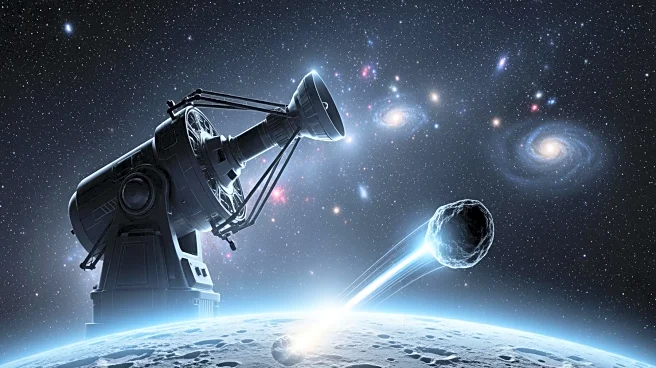
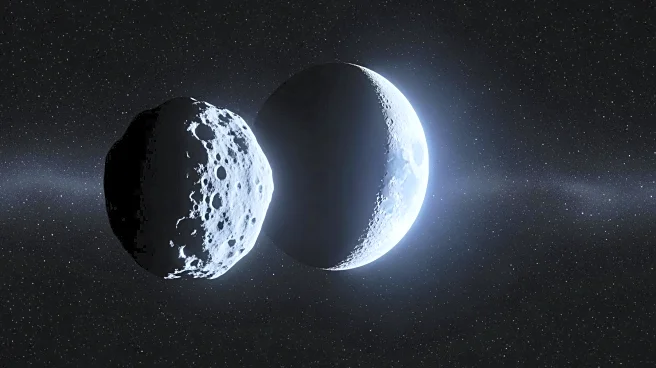
NASA has announced that there is now zero chance of asteroid 2024 YR4 colliding with the moon in 2032. Initially, the space agency had predicted a 4.3% chance of a direct hit. However, recent observations made by the Webb Space Telescope in February have
allowed scientists to refine the asteroid's orbit, confirming that it will miss the moon by approximately 13,200 miles (21,200 kilometers) on December 22, 2032. The asteroid, which is about 200 feet (60 meters) across, was discovered at the end of 2024. While it initially appeared to pose a threat to Earth, scientists ruled out any collision with our planet for at least the next century, though the moon remained a potential target until now.
Why It's Important?
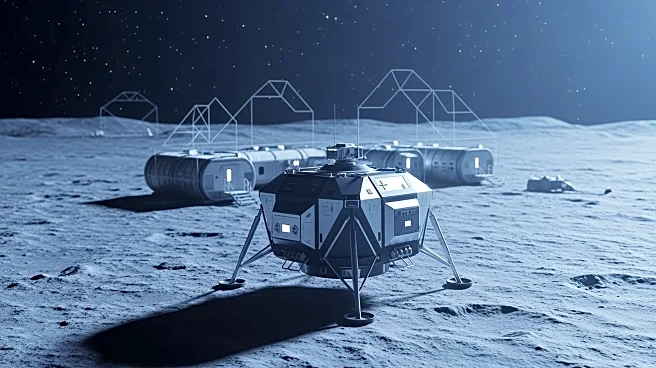
The confirmation that asteroid 2024 YR4 will not impact the moon is significant for several reasons. Firstly, it alleviates concerns about potential disruptions to lunar missions and the broader implications for space exploration. The moon is a critical focus for future missions, including those aimed at establishing a sustainable human presence. Avoiding an asteroid impact ensures that these plans can proceed without the need for costly and complex mitigation strategies. Additionally, the ability to accurately predict and track celestial objects is crucial for planetary defense, highlighting the importance of advanced telescopes like the Webb Space Telescope in refining our understanding of space threats.
What's Next?
With the asteroid no longer posing a threat, NASA and other space agencies can continue to focus on their lunar exploration agendas. This includes the Artemis program, which aims to return humans to the moon and establish a sustainable presence. The data and techniques used to track asteroid 2024 YR4 will likely be applied to future celestial monitoring efforts, enhancing our ability to predict and mitigate potential space threats. Continued advancements in telescope technology and orbital calculations will be essential in maintaining the safety of both Earth and its celestial neighbors.