




What's Happening?
UNESCO is organizing the Ocean&Climate Village 2026, an exhibition focused on the interconnectedness of climate, biodiversity, and human activities with the ocean. This event, part of the SEA BEYOND project led by the Prada Group and UNESCO, aims to provide
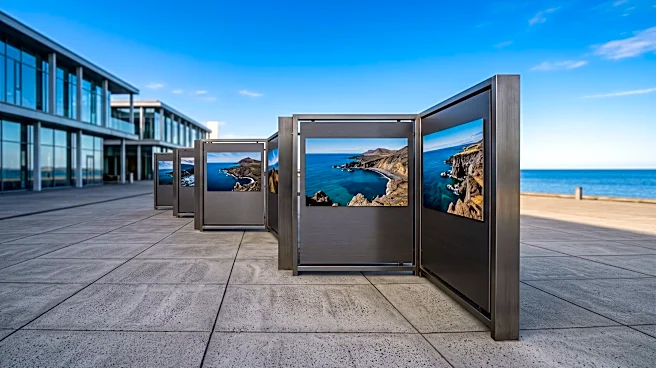
a comprehensive understanding of environmental challenges. The exhibition will be held at the Luna Rossa base in Cagliari, Italy, from October 9 to October 10, 2026. The first day will be dedicated to schools, while the second day will be open to the general public. The exhibition is structured into four themed sections: One Ocean, The Climate Engine, Biodiversity, and Ocean Anomalies, guiding visitors through the intricate relationships within the ocean system. Educational workshops led by SEA BEYONDers, who are Goodwill Ambassadors for the project, will also be part of the program, designed to transform knowledge into direct experience and foster a more mindful relationship with the ocean. Additionally, an outdoor photo exhibition by Climate Artist and SEA BEYONDer Enzo Barracco will feature images of ecosystems from the Galápagos Islands and Hawaii.
Why It's Important?
This initiative is important as it underscores the critical role of education and public engagement in addressing global environmental issues, particularly those related to the ocean and climate. By highlighting the connections between biological, climatic, and geological processes, the exhibition aims to move beyond a fragmented view of environmental challenges, promoting a holistic understanding of the ocean's vital role in sustaining life on Earth. The focus on educational workshops and direct experiences can significantly impact public awareness and foster a more responsible approach to environmental stewardship. For the U.S., while the event is international, the scientific insights and educational methodologies presented could influence domestic environmental education programs and public policy discussions regarding ocean conservation and climate action. Increased global understanding and collaboration on these issues are crucial for developing effective strategies that can have far-reaching benefits, including for U.S. coastal communities and marine industries.
What's Next?
Following the Ocean&Climate Village 2026, UNESCO and its partners will likely assess the exhibition's impact on public awareness and engagement. The insights gained from this event, particularly regarding educational effectiveness and public reception, could inform future initiatives and partnerships aimed at promoting ocean literacy and climate action. The ongoing SEA BEYOND project, which developed this exhibition, will continue its efforts to highlight the ocean's role in global systems. The educational workshops and the outdoor photo exhibition are expected to leave a lasting impression on attendees, potentially inspiring further individual and collective actions towards environmental protection. The broader goal is to foster a more mindful relationship with the ocean, which could lead to increased support for conservation efforts and sustainable practices globally, including within the U.S. The event also serves as a precursor to other significant environmental discussions and conferences, such as the UNESCO World Conference on Education for Sustainable Development in January 2027.
Beyond the Headlines
The Ocean&Climate Village 2026 delves deeper than just presenting scientific facts; it aims to cultivate a cultural shift in how humanity perceives and interacts with the ocean. By emphasizing the interconnectedness of various environmental elements, the exhibition challenges the common tendency to view climate change, biodiversity loss, and ocean health as separate issues. This integrated approach is crucial for developing truly effective and sustainable solutions. The involvement of artists like Enzo Barracco through photography adds an emotional and aesthetic dimension, making complex scientific concepts more accessible and relatable to a broader audience. This blend of science and art can foster a deeper emotional connection to environmental issues, potentially leading to more profound and lasting behavioral changes. For the U.S., such initiatives highlight the importance of interdisciplinary approaches in environmental education and policy, encouraging a more holistic understanding of ecological systems and the ethical responsibilities associated with their preservation.