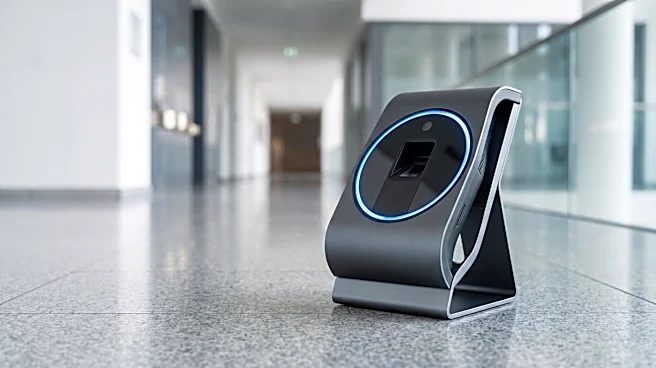









What's Happening?
The Consulate General of India in Auckland, New Zealand, has introduced a biometric enrollment requirement for certain tourist visa applications. This new rule applies to individuals seeking a Tourist Visa with a validity exceeding one year, or those
applying for a multiple-entry Tourist Visa. Once completed, the biometric enrollment remains valid for a period of five years. However, specific age groups are exempt from this requirement: applicants who are below 12 years of age or above 70 years of age are not required to undergo biometric enrollment. The Tourist Visa itself is granted to foreign nationals whose primary purpose for visiting India is tourism, recreation, visiting family or friends, attending short-term yoga programs (under six months and without certification), or short-duration medical treatments.
Why It's Important?
While this policy is implemented by the Consulate General of India in Auckland, it reflects a broader global trend towards enhanced security measures and digital identification in international travel. For U.S. citizens planning extended or multiple-entry tourist visits to India, this means an additional step in the visa application process. This could impact travel planning and potentially increase processing times for some U.S. travelers. The requirement for biometric data collection underscores the growing emphasis on secure and verifiable identification in international travel, a practice that many countries, including the U.S., are increasingly adopting. It also highlights the evolving landscape of international travel regulations, where convenience is often balanced against security concerns, potentially influencing how U.S. citizens prepare for international trips.
What's Next?
U.S. citizens intending to apply for an Indian Tourist Visa with a validity of more than one year or a multiple-entry visa will need to factor in the biometric enrollment process. This will likely involve a visit to a designated center for fingerprint and facial recognition capture. Travelers should check the specific requirements and procedures outlined by the Consulate General of India or their authorized visa application centers well in advance of their planned travel. The five-year validity of the biometric enrollment suggests a long-term commitment to this security measure, meaning repeat travelers within that period may not need to re-enroll. This policy could also serve as a precedent for other countries to implement similar biometric requirements for various visa categories, potentially influencing U.S. travel policies in reciprocity.
Beyond the Headlines
The implementation of biometric requirements for visas raises important discussions about data privacy and the global standardization of identity verification. As more countries adopt such measures, there is a growing need for international agreements on how biometric data is collected, stored, and shared, particularly concerning the rights of foreign nationals. For U.S. citizens, this trend means a gradual shift towards a more digitally verified travel experience, where personal biometric data becomes a routine part of international movement. This could lead to debates about the balance between national security interests and individual privacy rights, and the potential for misuse or breaches of sensitive personal information. The exemption for certain age groups also highlights considerations of accessibility and practicality in implementing such technologies.