






What's Happening?
The New World Screwworm has been detected in a dog in Cochise County, Arizona, marking the third U.S. state to report cases of the parasitic fly. This incident follows previous confirmations in livestock and wildlife in Texas and New Mexico. According
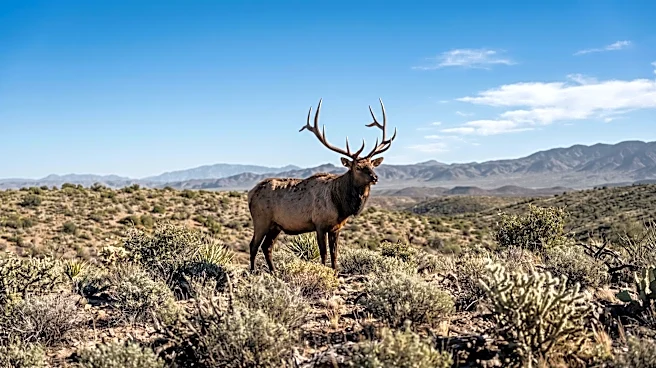
to the Arizona Department of Agriculture, State Veterinarian Ryan Wolker stated that preparations for this possibility have been underway, and swift action is being taken. The affected dog is currently receiving veterinary care. The U.S. Department of Agriculture has confirmed 71 cases since June, primarily in cattle, with the first wildlife case involving an elk in Texas. The re-emergence of the screwworm complicates efforts to fully resume livestock imports from Mexico, which were halted last year to prevent the fly's entry. Health authorities indicate a very low probability of human infection, and no human cases have been reported.
Why It's Important?
The re-establishment of the New World Screwworm in the U.S. poses a significant threat to the nation's livestock industry and could impact pet owners. The fly's larvae infest the flesh of live, warm-blooded animals, leading to severe health issues and potential fatalities in affected animals. The presence of screwworms can result in substantial economic losses for ranchers due to livestock deaths, reduced productivity, and increased veterinary costs. Furthermore, the detection in a domestic animal like a dog highlights the broader risk to companion animals, necessitating increased vigilance and preventative measures from pet owners. The ongoing cases also affect international trade relations, particularly with Mexico, as the U.S. struggles to manage the outbreak while aiming to stabilize beef prices and resume imports. The situation underscores the challenges in controlling invasive species that can rapidly spread and impact agricultural and animal health sectors.
What's Next?
Following the confirmed case in Arizona, state and federal agricultural agencies are expected to intensify surveillance and control measures. This will likely include increased monitoring of livestock and pets, particularly in border regions, and public awareness campaigns to educate animal owners on identifying and reporting potential screwworm infestations. The U.S. Department of Agriculture will continue its efforts to contain the spread, which may involve further restrictions on animal movement or the deployment of sterile insect techniques, a method previously used to eradicate the screwworm from the U.S. The ongoing presence of the screwworm will also influence discussions regarding the resumption of livestock imports from Mexico, with potential for continued trade complications until the outbreak is brought under control. Veterinary professionals will play a crucial role in early detection and treatment to prevent further dissemination of the parasite.
Beyond the Headlines
The re-emergence of the New World Screwworm highlights broader ecological and biosecurity challenges facing the U.S. The successful eradication of the screwworm decades ago was a landmark achievement in veterinary public health, making its return a significant setback. This event underscores the constant threat of transboundary animal diseases and the need for robust surveillance systems at national borders. The case also brings to light the interconnectedness of wildlife, livestock, and domestic animals in disease transmission, emphasizing the 'One Health' approach to public health. The economic implications extend beyond direct agricultural losses, potentially affecting related industries such as meat processing and export. The situation serves as a reminder of how environmental changes, global trade, and animal movement can facilitate the reintroduction of previously eradicated pests, demanding continuous adaptation and investment in biosecurity infrastructure.