


What's Happening?
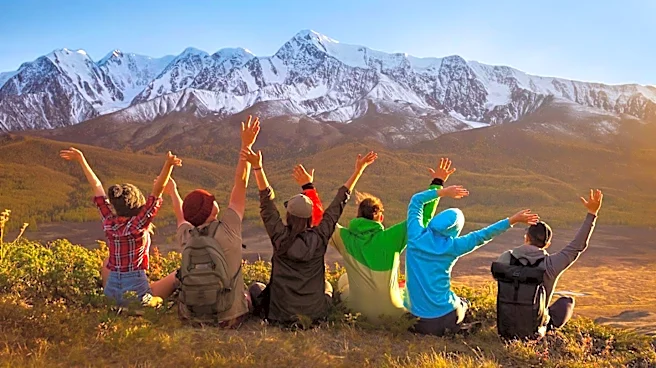
Colorado College's Outdoor Education (OE) program has launched its first Cultural Ambassador FOOT Trip, aimed at increasing accessibility to outdoor recreation for historically underrepresented students. The inaugural trip, led by OE Cultural Ambassadors
Quosiah Lawal '29 and Benji Rosenblum, involved six freshmen and three OE Guides backpacking through Wild Basin in Rocky Mountain National Park. Participants engaged in activities such as swimming in alpine lakes and developing essential outdoor skills. The initiative seeks to empower these students by fostering confidence and community within outdoor education settings. This program highlights a dedicated effort to diversify participation in outdoor activities, ensuring that more students, regardless of their background, have the opportunity to experience and benefit from outdoor recreation.
Why It's Important?
This initiative is important because it addresses a significant disparity in access to outdoor recreation, particularly for historically underrepresented student populations in the U.S. By actively empowering these students through dedicated programs, Colorado College is contributing to broader efforts to promote inclusivity and equity in outdoor education. Increased participation from diverse groups can lead to a more representative and vibrant outdoor community, fostering a wider range of perspectives on environmental stewardship and conservation. Furthermore, engaging in outdoor activities has documented benefits for physical and mental well-being, and expanding access ensures these benefits are available to a broader segment of the student population. This model could serve as a blueprint for other educational institutions looking to make their outdoor programs more inclusive and accessible.
What's Next?
The success of this initial Cultural Ambassador FOOT Trip suggests a potential for expansion and replication of similar programs within Colorado College and possibly other institutions. Future steps may involve developing more specialized trips, increasing the number of participating students, and recruiting additional Cultural Ambassadors. The program will likely continue to focus on skill development, community building, and cultural immersion to ensure a holistic and empowering experience for participants. Continued assessment of the program's impact on student confidence, outdoor skills, and sense of belonging will be crucial for its long-term development and for demonstrating its value in promoting diversity and inclusion in outdoor education.
Beyond the Headlines
Beyond the immediate impact of providing outdoor experiences, this program touches upon deeper societal issues related to access, privilege, and representation in recreational spaces. Historically, outdoor recreation has often been less accessible to certain demographic groups due to various barriers, including financial constraints, lack of cultural familiarity, and feelings of unwelcomeness. By intentionally creating pathways for underrepresented students, the OE Cultural Ambassador program challenges these existing norms and works towards dismantling systemic barriers. This effort can lead to a more equitable distribution of the health, educational, and social benefits associated with outdoor engagement, fostering a generation of diverse leaders who are connected to and advocate for natural environments.