



What's Happening?
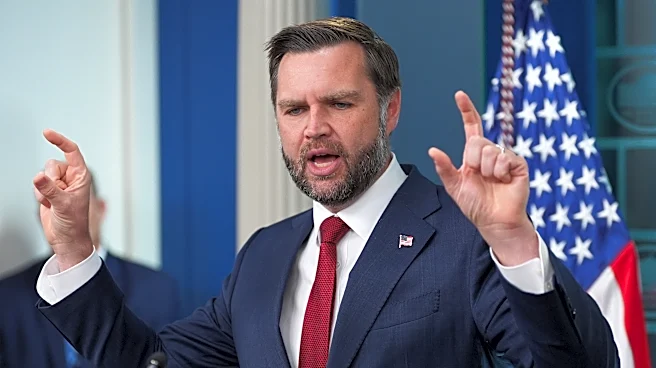
President Trump and Vice President JD Vance have characterized the ongoing conflict with Iran as 'small potatoes' and 'not a big thing,' despite the deaths of 18 U.S. service members and over $37.5 billion in taxpayer costs. During a White House press
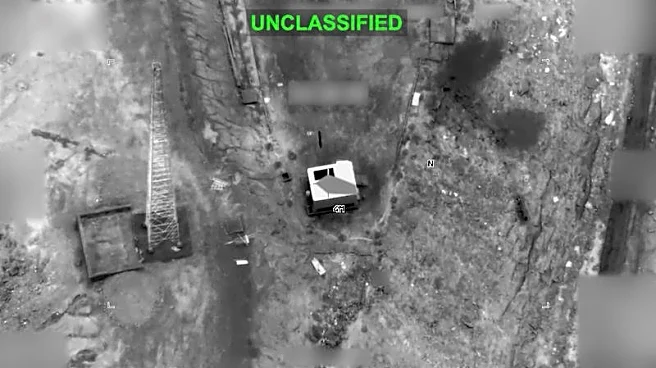
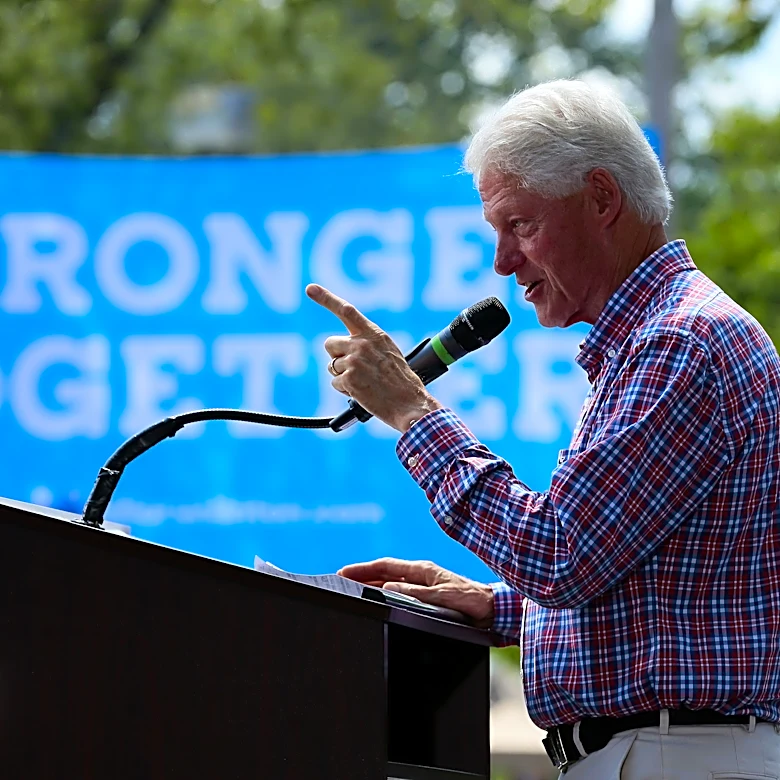
briefing on Thursday, Vance stated he 'wouldn't call it a war,' noting there was 'no active shooting' at the time, even as Iran had fired at Kuwait in retaliation for U.S. strikes. President Trump echoed this sentiment on Friday, defending Vance's remarks and describing U.S. strikes as 'intermittent.' He compared the current conflict's casualties to those of past wars, such as Vietnam, to minimize its perceived scale.
Why It's Important?
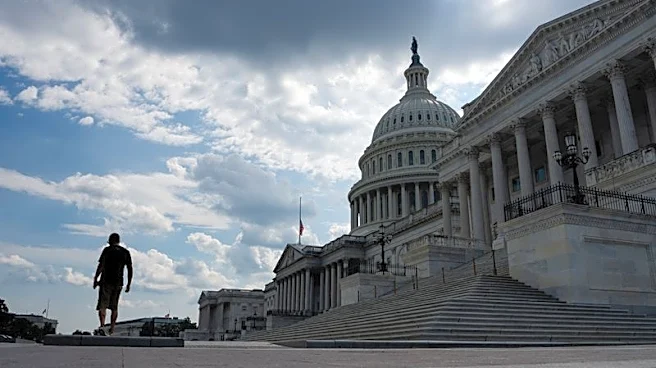
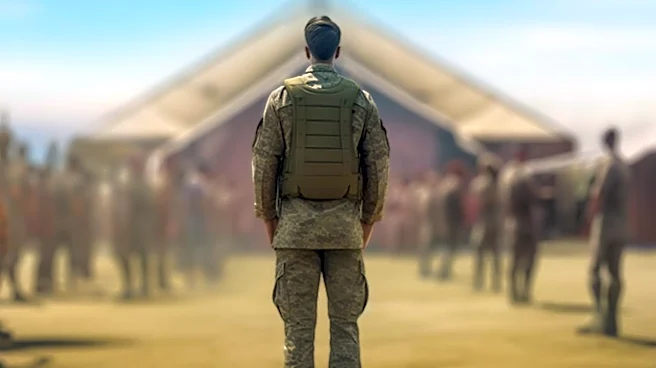
The administration's downplaying of the Iran conflict carries significant implications for public perception, military morale, and international relations. By labeling the conflict as 'small potatoes,' President Trump and Vice President Vance risk trivializing the sacrifices of service members and their families, potentially leading to public disillusionment or anger. This rhetoric could also affect the perception of U.S. resolve among allies and adversaries, potentially emboldening Iran or other regional actors. Furthermore, framing the conflict as less than a 'war' could be a strategic move to avoid the political and legal ramifications associated with a formal declaration of war, particularly in an election year where Republicans are trying to maintain congressional majorities.
What's Next?
The administration's continued efforts to minimize the severity of the Iran conflict will likely face scrutiny from the media, opposition politicians, and military families. There may be increased calls for transparency regarding the true costs and human toll of the conflict. The rhetoric could also become a point of debate in upcoming midterm elections, with opponents challenging the administration's assessment of the situation. Internationally, the downplaying of the conflict might lead to further diplomatic maneuvering as other nations assess the U.S. commitment and strategy in the region. The ongoing intermittent strikes and retaliations suggest that the situation remains volatile, regardless of the administration's public characterization.
Beyond the Headlines
This narrative raises profound questions about the language used by political leaders to describe military engagements and its impact on public understanding and national policy. The term 'small potatoes' can be seen as an attempt to control the narrative, manage public anxiety, and potentially avoid a broader public debate about the justification and objectives of the conflict. It also highlights a recurring tension in modern warfare, where conflicts may not fit traditional definitions of 'war' but still incur significant human and financial costs. The comparison to past wars, while intended to contextualize, also risks appearing insensitive to the current losses. This situation underscores the power of rhetoric in shaping public opinion and influencing the political will to engage in or disengage from military actions.