





What's Happening?
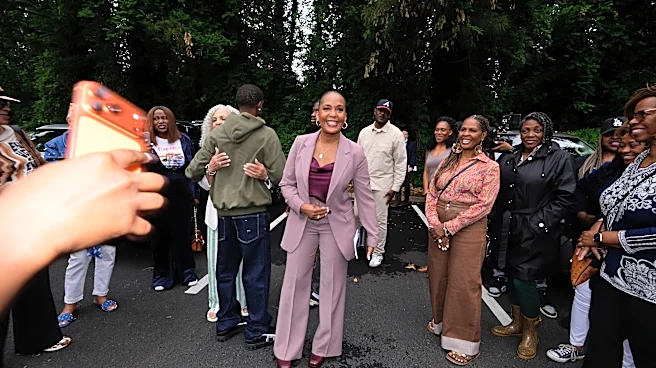
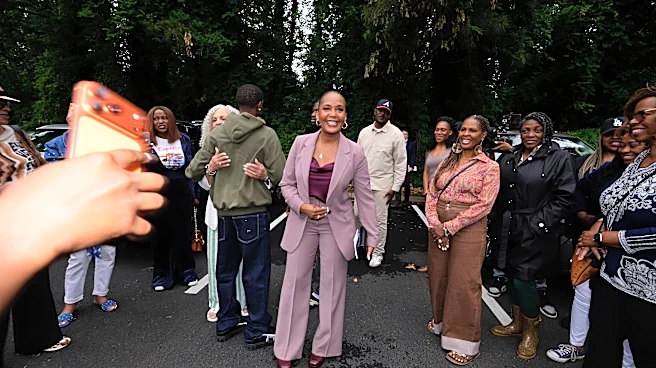
In Georgia's primary elections, Keisha Bottoms has secured the Democratic nomination for governor with 57.48% of the vote. Meanwhile, the Republican race is heading to a runoff as no candidate achieved the required 50% majority. Burt Jones and Rick Jackson
emerged as the top two Republican candidates, with 38.67% and 32.92% of the votes, respectively. The runoff election is scheduled for June 16, with early voting available from June 8-12. The winner of the Republican runoff will face Bottoms in the General Election on November 3, with a potential runoff on December 1 if necessary.
Why It's Important?
The outcome of Georgia's gubernatorial race is significant as it will determine the state's leadership and policy direction. Keisha Bottoms' victory in the Democratic primary highlights her strong support within the party, setting the stage for a competitive general election. The Republican runoff will be closely watched, as the party seeks to consolidate support behind a single candidate. The election results will influence key issues such as healthcare, education, and economic development in Georgia, impacting residents and businesses across the state.
What's Next?
As the runoff approaches, both Republican candidates will intensify their campaigns to secure voter support. The focus will likely be on differentiating their platforms and appealing to undecided voters. The general election will see heightened political activity, with both parties mobilizing resources to win the governorship. Voter turnout and engagement will be critical in determining the election's outcome, shaping Georgia's political landscape for the coming years.