









What's Happening?
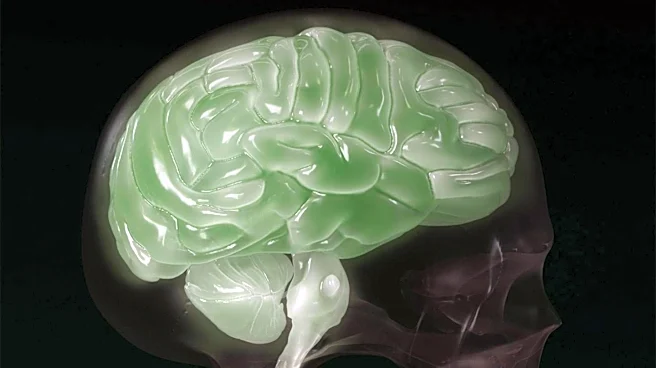
Recent research has identified a potential link between chronic fatigue syndrome (CFS), also known as myalgic encephalomyelitis (ME/CFS), and disruptions in the brain's glymphatic system. This system is responsible for clearing waste from the brain, and its
dysfunction may exacerbate inflammation in the central nervous system, leading to neurological symptoms. The study, conducted by researchers at Griffith University in Australia, utilized a non-invasive technique to estimate glymphatic function by measuring cerebrospinal fluid diffusion rates. The findings suggest that impaired glymphatic function could be a key driver of ME/CFS, a condition affecting millions worldwide. The study's results were published in Frontiers in Neuroscience.
Why It's Important?
The discovery of a link between ME/CFS and the brain's waste clearance system is significant as it provides a potential mechanistic explanation for the inflammatory changes observed in patients. This could pave the way for improved diagnostic methods and treatments for ME/CFS, a condition that has long been misunderstood and under-researched. The study highlights the importance of the glymphatic system in maintaining brain health and suggests that its dysfunction could contribute to various neurological conditions. Understanding this system better could lead to advancements in treating not only ME/CFS but also other diseases like Alzheimer's and Parkinson's, where similar dysfunctions have been observed.
What's Next?
Further research is needed to explore the glymphatic system's role in ME/CFS and other neurological conditions. Scientists aim to develop more precise diagnostic tools and potential treatments based on these findings. The study's authors hope that non-invasive techniques can be refined to provide clearer insights into glymphatic function and its impact on brain health. Additionally, understanding why glymphatic dysfunction appears to affect only the right hemisphere in ME/CFS patients could offer new avenues for research and therapy.
Beyond the Headlines
The study underscores the critical role of sleep in maintaining brain health, as the glymphatic system is most active during sleep. This finding may influence public health recommendations and personal health practices, emphasizing the importance of sleep hygiene. Moreover, the research could lead to a paradigm shift in how neurological diseases are understood and treated, focusing on the brain's waste clearance processes as a potential therapeutic target.