







What's Happening?
The Kuwait Red Crescent Society (KRCS) is actively strengthening its national emergency preparedness, broadening its humanitarian partnerships, and increasing its international presence. This initiative aligns with Kuwait's long-standing humanitarian approach,
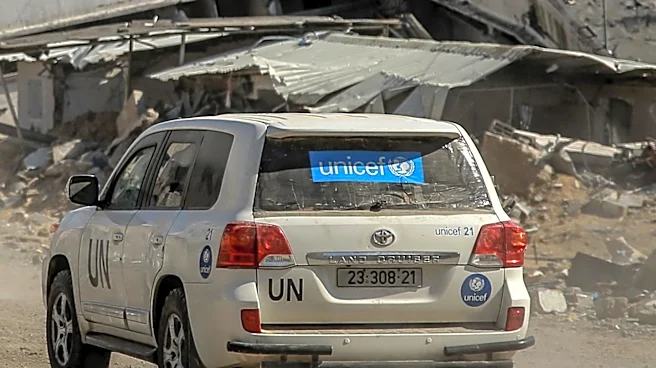
as stated by Vice Chairman Prof Dr Nasser Al-Tannak at the 12th Regional Conference of Red Cross and Red Crescent Societies in Beirut. KRCS is participating in this regional meeting to foster cooperation with humanitarian partners, exchange expertise, and coordinate efforts to improve relief services, especially during emergencies. Over the past two years, KRCS has maintained its humanitarian and relief operations abroad while focusing on national preparedness and developing its institutional framework in accordance with the International Red Cross and Red Crescent Movement principles. The society has intensified support for people in Gaza through relief campaigns, emergency aid, and air and land bridges, coordinating with official authorities and sister national societies. Their activities in Gaza include projects in healthcare, shelter, water and sanitation, education, and direct relief. KRCS has also continued providing medical and relief assistance, as well as health and social projects, in various Asian and African countries in collaboration with national societies and specialized humanitarian organizations.
Why It's Important?
The enhanced readiness and expanded international response of the Kuwait Red Crescent Society are crucial for addressing the increasing global humanitarian needs, particularly in conflict-affected regions like the occupied Palestinian territories. By strengthening its institutional framework and national emergency preparedness, KRCS is better equipped to provide rapid and effective assistance during crises. The shift from traditional relief to more sustainable healthcare programs, including support for health facilities and medical supplies, signifies a long-term commitment to improving public health outcomes in vulnerable communities. This strategic development also highlights the importance of international cooperation and expertise-sharing among humanitarian organizations, fostering a more coordinated and impactful global response to disasters and conflicts. The focus on regulatory and oversight mechanisms for aid distribution ensures transparency and accountability, which are vital for maintaining trust and ensuring that aid reaches its intended beneficiaries efficiently and respectfully. This proactive approach by KRCS contributes significantly to global humanitarian efforts and sets a precedent for other national societies.
What's Next?
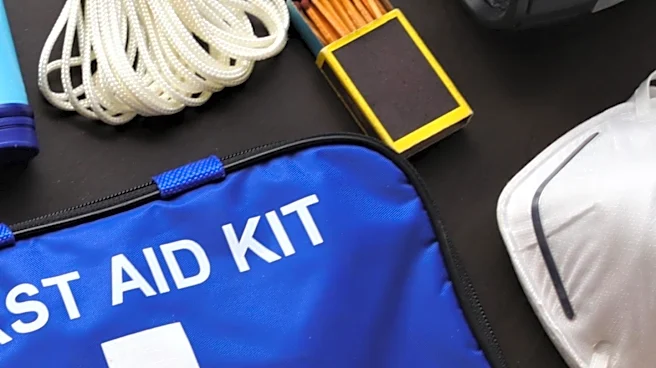
The Kuwait Red Crescent Society plans to continue its strategic development by further enhancing its capabilities in innovation, training, and modern technologies, including virtual reality-based training programs for staff and volunteers. This will improve their preparedness for disaster and emergency situations. KRCS will also continue to contribute to national efforts to regulate and protect Red Crescent and Red Cross emblems and participate in discussions on legislation governing charitable and humanitarian work. The society's commitment to the principles of the International Red Cross and Red Crescent Movement, including humanity, neutrality, impartiality, independence, unity, and universality, will guide its future operations. Furthermore, KRCS will maintain its cooperation and expertise-sharing with sister societies, ensuring a collaborative approach to addressing humanitarian challenges. The inauguration of its Mental Health Office and the introduction of an AI-powered response service indicate a forward-looking approach to addressing diverse humanitarian needs.
Beyond the Headlines
The strategic evolution of the Kuwait Red Crescent Society reflects a broader trend in humanitarian aid towards more sustainable, technologically integrated, and institutionally robust responses. The emphasis on mental health support, as evidenced by the new Mental Health Office, acknowledges the often-overlooked psychological toll of conflicts and disasters on affected populations. The adoption of AI-powered response services, such as those used during the 'Iranian aggression' to calm citizens, demonstrates a proactive embrace of technology to enhance immediate crisis management and public well-being. This integration of advanced technology and specialized services moves beyond traditional aid models, suggesting a future where humanitarian organizations leverage innovation to deliver more comprehensive and nuanced support. The commitment to strengthening regulatory frameworks also underscores a global push for greater accountability and ethical governance in the humanitarian sector, ensuring that aid is not only effective but also delivered with dignity and transparency.