



What's Happening?
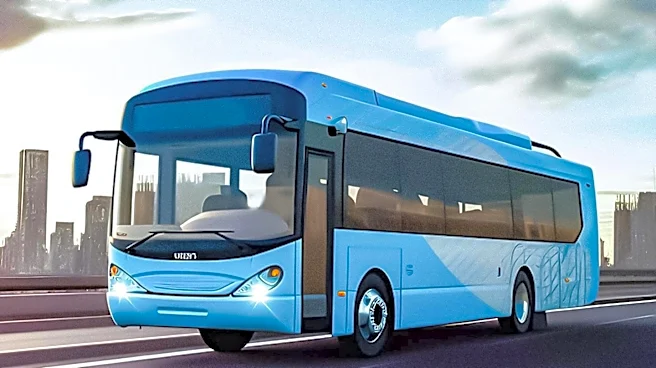
State Representative Ben Waxman is drafting a bill that would require self-driving transit vehicles over 10,000 pounds to have a licensed driver on board. This move comes amid discussions about the potential introduction of autonomous SEPTA buses in Philadelphia.
The bill aims to address safety concerns and potential job losses, as the Transit Workers Union has expressed worries about the impact of automation on employment. While autonomous vehicles are being tested in various U.S. cities, the feasibility of fully automated buses in Philadelphia faces technological, regulatory, and union challenges.
Why It's Important?
The proposed legislation reflects broader concerns about the rapid advancement of autonomous technology and its implications for public safety and employment. Ensuring human oversight in self-driving transit vehicles could mitigate risks associated with technological failures and maintain job security for transit workers. The debate highlights the need for careful consideration of automation's impact on urban infrastructure and labor markets. As cities explore the integration of autonomous technology, balancing innovation with public interest and safety remains a critical challenge.
What's Next?
The bill, if passed, would set a precedent for how cities manage the integration of autonomous vehicles in public transit. Ongoing discussions with SEPTA and other stakeholders will shape the final legislation. The outcome could influence future policies on automation in public transportation, potentially affecting similar initiatives in other cities. The conversation around autonomous transit vehicles is likely to continue, with implications for urban planning, labor relations, and technological development.