





What's Happening?
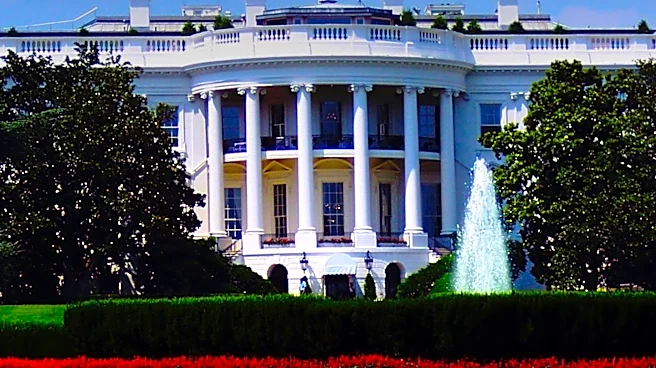
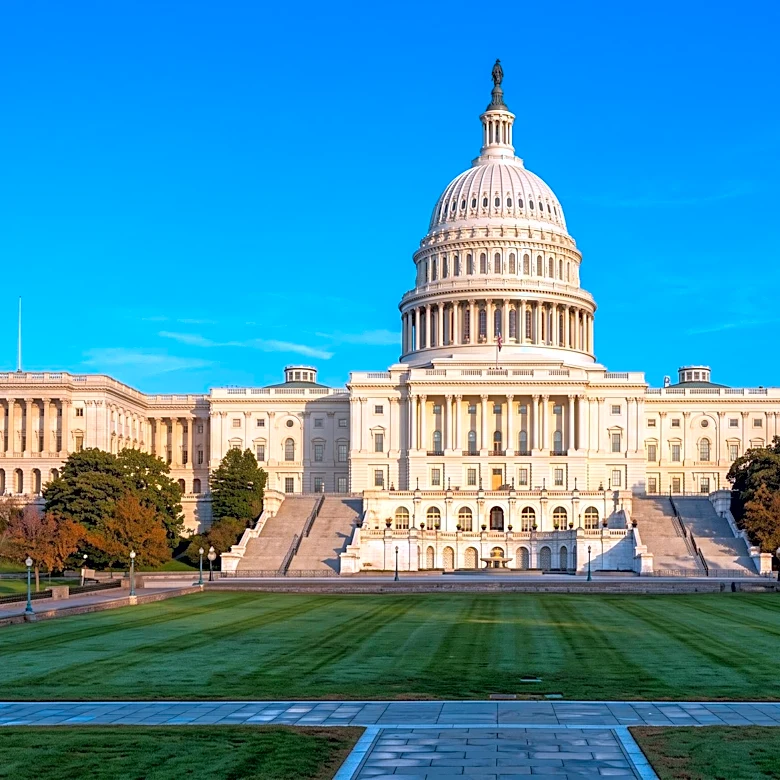
The White House recently hosted crypto leaders and is now urging Congress to pass the Clarity Act. This proposed legislation aims to establish a clearer framework for crypto infrastructure and define the regulatory responsibilities of federal agencies
concerning cryptocurrencies. The push comes as crypto-related stocks, including Robinhood, Coinbase, and Strategy, experienced significant gains, with Bitcoin's value increasing by over 20% in a week. The White House's engagement with crypto leaders and its call for legislative action signal a growing recognition of the cryptocurrency market's importance and the need for structured oversight. This development follows a period of increased volatility and regulatory uncertainty within the crypto space, prompting calls from industry stakeholders for more defined guidelines.
Why It's Important?
The passage of the Clarity Act would have substantial implications for the U.S. cryptocurrency market and its integration into the broader financial system. A clear regulatory framework could reduce uncertainty for investors and businesses, potentially fostering innovation and attracting more institutional investment into the crypto sector. This clarity could also help mitigate risks associated with illicit activities and consumer protection, which have been ongoing concerns for regulators. For federal agencies, the act would delineate specific roles, preventing overlapping jurisdictions and creating a more efficient regulatory environment. Conversely, a failure to pass comprehensive legislation could perpetuate the current state of ambiguity, potentially hindering growth and pushing crypto innovation to other jurisdictions. The involvement of the White House underscores the national economic and security interests tied to the responsible development of digital assets.
What's Next?
The immediate next step involves congressional consideration of the Clarity Act. The White House's public endorsement is likely to add momentum to the legislative process, but the bill will still need to navigate the complexities of congressional debate and potential amendments. Industry stakeholders, including crypto exchanges, blockchain developers, and investors, will closely monitor these developments, advocating for provisions that support innovation while ensuring market integrity. Federal agencies, such as the SEC and CFTC, will also be preparing for potential shifts in their regulatory mandates should the act pass. The outcome will significantly influence the operational landscape for crypto businesses and the accessibility of digital assets for U.S. consumers, potentially leading to new product offerings and investment opportunities.
Beyond the Headlines
Beyond the immediate regulatory implications, the White House's push for the Clarity Act reflects a broader strategic shift in how the U.S. government views and approaches digital assets. It signals a move away from a purely reactive stance towards a more proactive effort to shape the future of the digital economy. This initiative could position the U.S. as a leader in crypto innovation and regulation, potentially influencing international standards and practices. The debate surrounding the Clarity Act also touches upon fundamental questions about the nature of money, financial sovereignty, and the role of decentralized technologies in a centralized financial system. The long-term impact could extend to national security, as robust crypto infrastructure could enhance financial resilience and protect against cyber threats, while poorly regulated systems could create vulnerabilities.