
What's Happening?
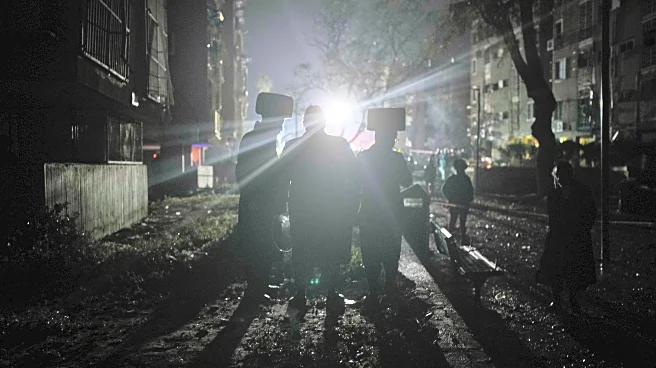
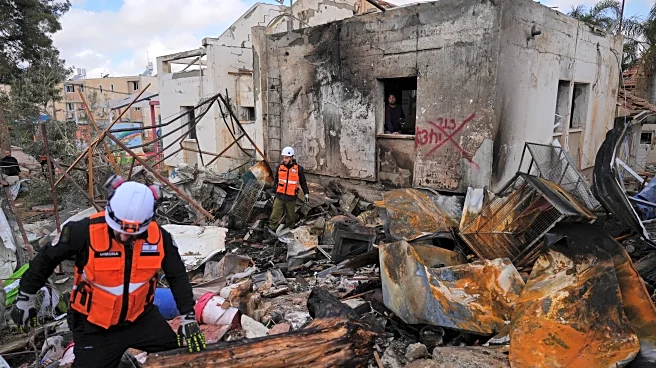
Israeli Prime Minister Benjamin Netanyahu has expressed his condolences and support following a missile attack by Iran that penetrated Israel's Iron Dome defense system. The attack resulted in injuries to dozens of people in the towns of Dimona and Arad,
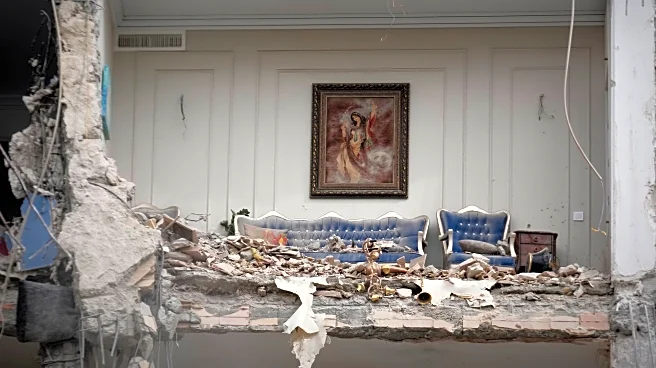
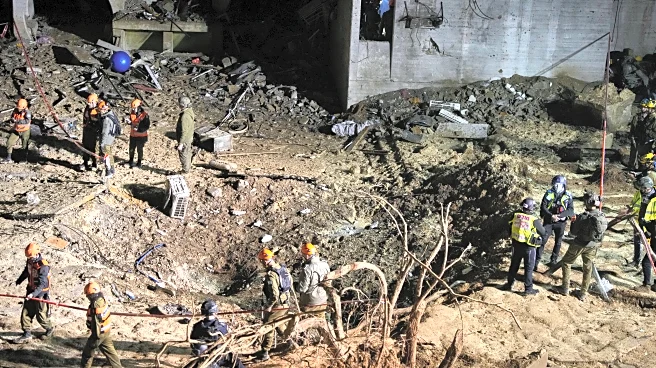
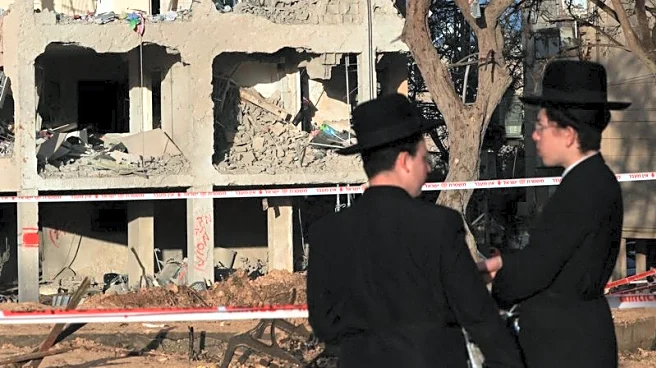
located near the Dead Sea and the Negev nuclear research facility. Netanyahu communicated with local officials and assured that all necessary assistance would be provided to the affected areas. The missile strikes, which involved two Iranian ballistic missiles with 1000-pound warheads, caused significant damage to residential structures, injuring over 100 people, including children. The International Atomic Energy Agency reported no damage to the nuclear facility. The strikes are believed to be in retaliation for a U.S. attack on Iran's Natanz nuclear enrichment facility.
Why It's Important?
This incident highlights the ongoing tensions between Iran and Israel, with potential implications for regional stability and international relations. The failure of the Iron Dome, a critical component of Israel's defense strategy, raises concerns about the country's vulnerability to missile attacks. The proximity of the strikes to the Negev nuclear research facility underscores the potential for escalation into a broader conflict, which could involve other nations, including the United States. The situation also emphasizes the delicate balance of power in the Middle East and the risks associated with military engagements in the region.
What's Next?
In response to the attack, Israel may consider strengthening its defense systems and reassessing its security strategies. The international community, particularly countries involved in Middle Eastern diplomacy, will likely monitor the situation closely to prevent further escalation. Diplomatic efforts may be intensified to address the underlying issues between Iran and Israel, potentially involving negotiations or sanctions. The incident could also influence U.S. foreign policy decisions regarding its involvement in the region and its stance on Iran's nuclear activities.