




What's Happening?
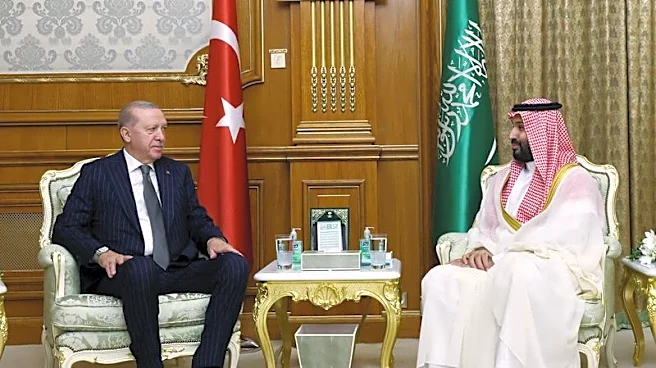
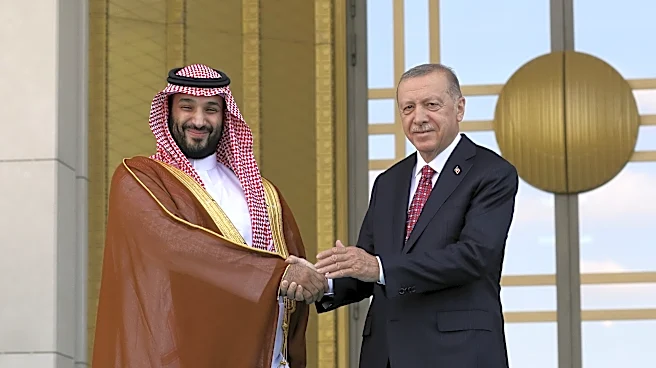
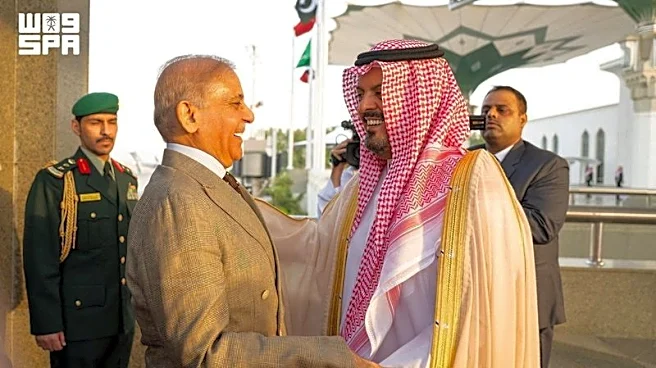
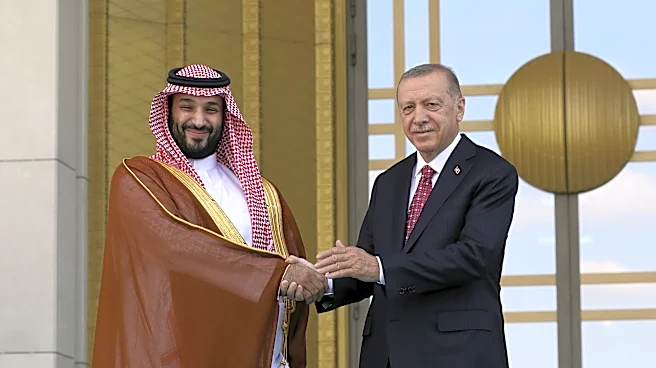
Turkey, Saudi Arabia, and Pakistan have signed a defense agreement known as the 'Mecca Joint Defense Agreement.' This pact, signed in Mecca, aims to enhance regional stability by establishing a mutual defense mechanism among the three countries. The agreement stipulates
that an attack on one member will be considered an attack on all, similar to NATO's Article 5. The pact involves regular committee meetings among the foreign and defense ministers and military chiefs of the three nations, with a secretariat to be based in Saudi Arabia. Turkey's Foreign Minister, Hakan Fidan, emphasized that the agreement is not aimed at Iran or any other country, unless they take hostile actions against the signatories. The agreement is seen as a strategic move to deepen cooperation and deterrence amidst regional uncertainties and threats.
Why It's Important?
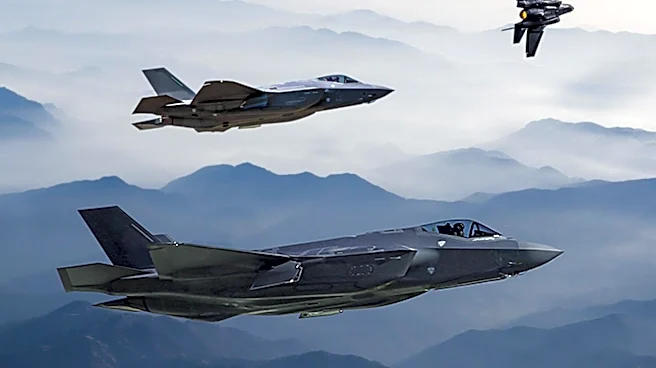
The signing of the 'Mecca Joint Defense Agreement' is significant as it brings together Saudi Arabia, a major oil producer, Pakistan, a nuclear power, and Turkey, which has NATO's second-largest army. This collaboration could shift the balance of power in the region, potentially influencing geopolitical dynamics. The pact may deter aggression from other regional actors, thereby contributing to stability. It also highlights the growing defense cooperation among these countries, which could lead to increased military and intelligence collaboration. The agreement may also attract other nations to join, further strengthening regional alliances and security frameworks.
What's Next?
The next steps involve the operationalization of the agreement, including the establishment of the secretariat in Saudi Arabia and the commencement of regular committee meetings. Other nations have expressed interest in joining the pact, with Egypt expected to participate in the future. This expansion could further enhance the agreement's impact on regional security. The signatories will likely focus on implementing the defense mechanisms and exploring additional areas of cooperation, such as intelligence sharing and logistical support.