


What's Happening?
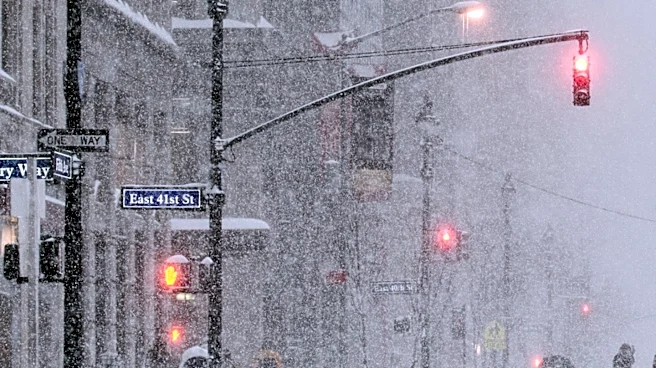
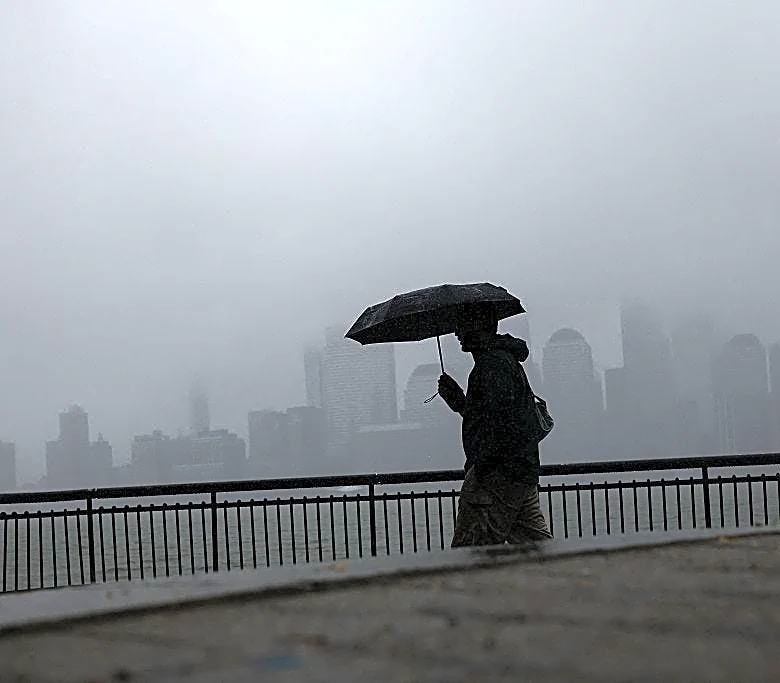
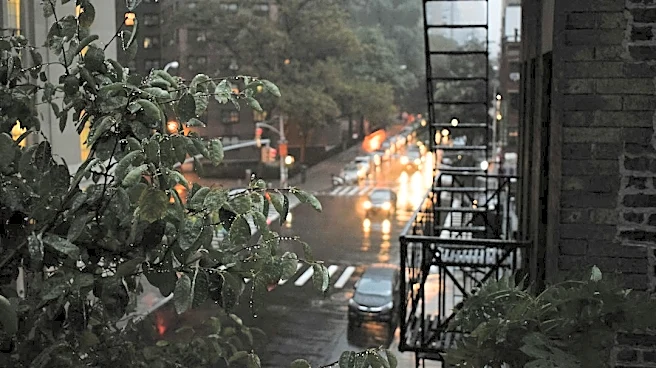
Hudson Valley communities are preparing for and responding to a powerful weekend nor'easter, which has already led to widespread event cancellations and power outages. The Village of Sleepy Hollow and the Sleepy Hollow Tarrytown Chamber canceled Oktoberfest
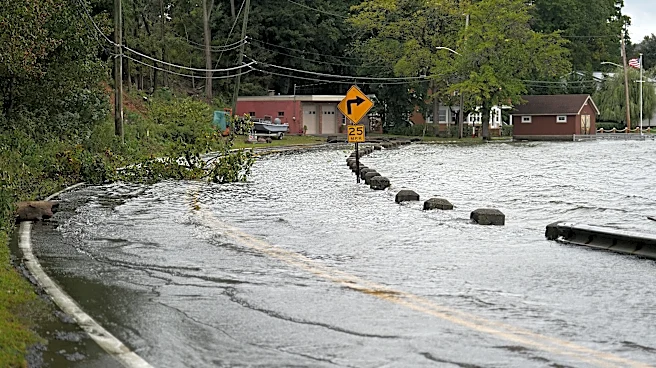
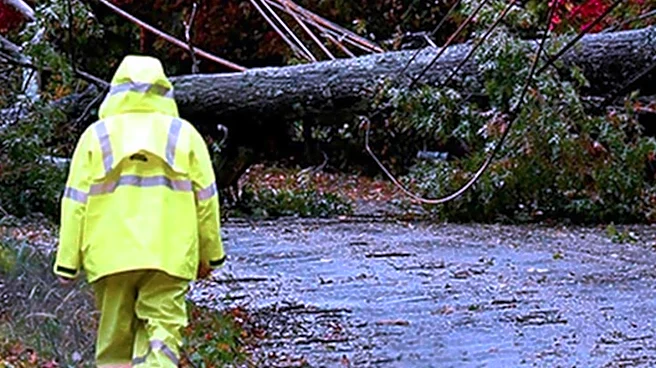
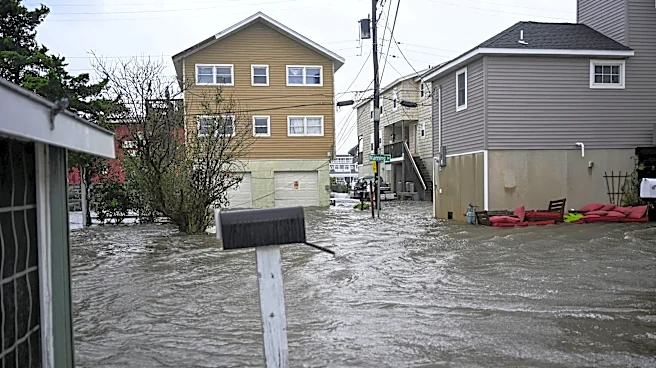
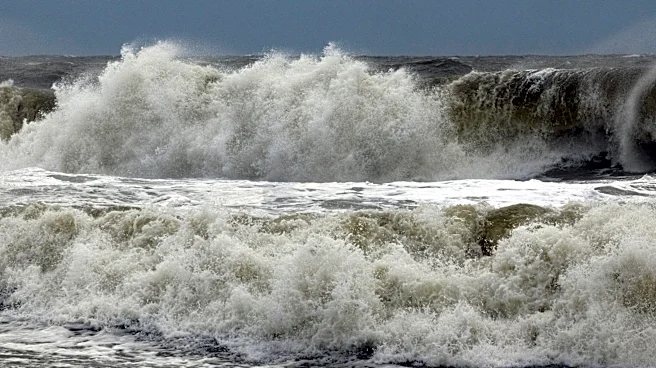
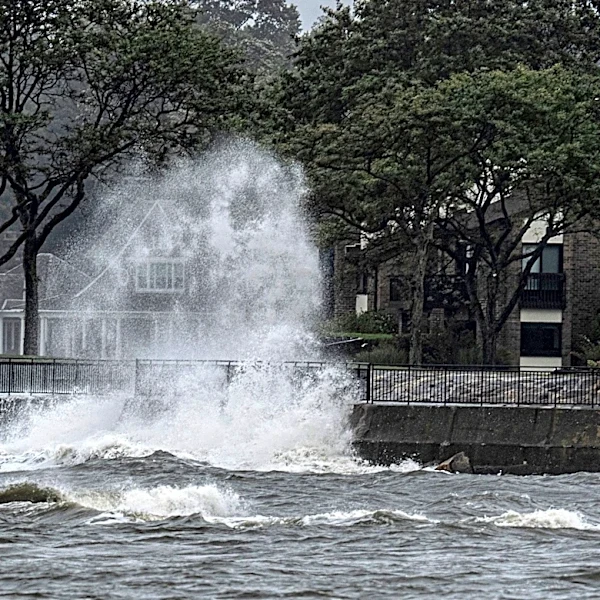
and the Street Fair. Yonkers postponed the McLean Avenue Fall Festival, and Irvington canceled Rocktoberfest due to wind and safety concerns. Croton-on-Hudson moved its Oktoberfest and canceled a car show. Maria Regina High School postponed its Color Run, and Ardsley rescheduled its Latino Heritage Month event. Hastings-on-Hudson rescheduled its Fall Village-Wide Tag Sale, and Chappaqua canceled its Children's Brook Festival. Lakeland Central School District canceled all activities. Con Edison reported 196 customers in Yonkers still experiencing outages, with restoration efforts underway. Central Hudson also reported thousands of customers without power across Orange, Dutchess, and Ulster counties, with restoration efforts continuing into Sunday and Monday. The storm has brought heavy winds, rain, and coastal flooding, causing downed trees and wires across the region.
Why It's Important?
This powerful nor'easter significantly impacts daily life and local economies across the Hudson Valley. The widespread cancellations of community events, such as festivals and races, result in lost revenue for local businesses and vendors, and disrupt social gatherings that foster community spirit. For residents, power outages pose immediate challenges, affecting essential services, communication, and potentially leading to safety concerns, especially for those relying on electricity for medical equipment. The storm's impact on infrastructure, including downed trees and wires, necessitates extensive repair work by utility companies, leading to prolonged disruptions. The need for emergency preparedness and response highlights the vulnerability of communities to severe weather events and the importance of robust infrastructure and coordinated emergency services. The economic and social disruptions underscore the broader implications of climate-related weather patterns on regional stability and resilience.
What's Next?
Utility companies like Con Edison and Central Hudson are actively working to restore power to all affected customers, with estimated restoration times extending into Sunday and Monday for some areas. Residents are advised to monitor updates from their respective utility providers and local emergency services. Many postponed events will announce new dates, while some canceled events may not be rescheduled. Communities will focus on clearing debris, assessing damage, and ensuring public safety. Local officials will likely review their emergency response protocols in light of the storm's impact to identify areas for improvement. The ongoing threat of severe weather events in the region may prompt further discussions on infrastructure resilience and long-term climate adaptation strategies to mitigate future disruptions. Residents are encouraged to stay informed through official channels and exercise caution during the recovery period.
Beyond the Headlines
The recurring nature of severe weather events like this nor'easter in the Hudson Valley points to a larger conversation about climate change and its localized impacts. Beyond the immediate disruptions, these events place significant strain on local government resources, emergency services, and utility infrastructure. The economic ripple effects extend beyond canceled events, impacting small businesses, tourism, and potentially property values due to increased flood risks. There's an implicit call for greater investment in resilient infrastructure, such as undergrounding power lines or improving stormwater management systems, to better withstand future storms. Furthermore, the community's response, including volunteer efforts and mutual aid, highlights the importance of social cohesion and preparedness at the grassroots level. This event serves as a stark reminder of the need for comprehensive, long-term strategies that integrate climate science, urban planning, and community engagement to build more resilient and adaptable communities in the face of evolving environmental challenges.