








What's Happening?
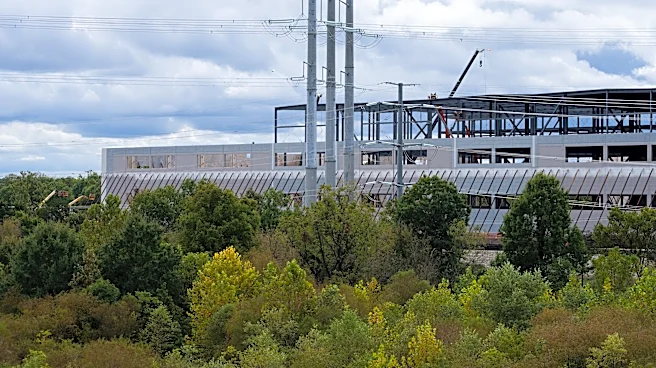
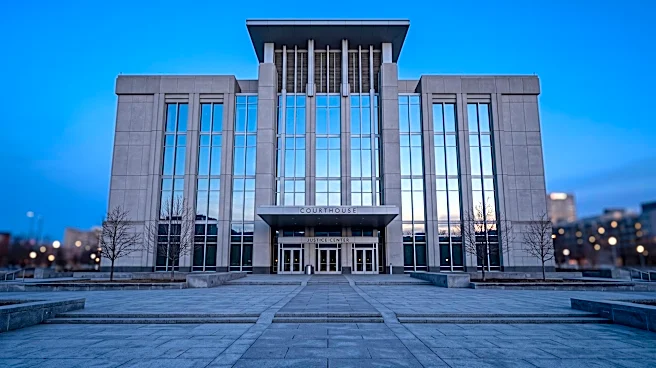
A Minnehaha Circuit Court judge has ruled against the Sioux Falls City Council, overturning a conditional use permit (CUP) that would have allowed Smithfield Foods to build a new pork processing plant closer than 1,000 feet to residential land. The project
aimed to replace a century-old downtown facility with a new one in Foundation Park, located in the northwest corner of the city. Over 20 rural homeowners near the proposed site in Crooks filed a petition for writ of certiorari, arguing that the City Council acted with 'irregular authority' or outside its jurisdiction. Circuit Judge Ann Hoffman found that the City Council failed to comply with city ordinances and the Sioux Falls 2050 strategic plan in approving the CUP, noting that Smithfield's application was a single-page document lacking several required elements, such as a neighborhood meeting, specific building designs for water issues, and reports from fire, water, and health departments regarding potential impacts and mitigation measures.
Why It's Important?
This ruling is significant as it underscores the importance of adherence to local zoning laws and comprehensive planning in urban development projects. It empowers local residents to challenge governmental decisions that may impact their quality of life and property values, reinforcing the principle of due process. For Smithfield Foods, the decision creates a significant hurdle for their planned relocation and expansion, potentially delaying or altering their project. For the Sioux Falls City Council, it highlights a need for more rigorous review processes and stricter compliance with established regulations when approving large-scale industrial developments, especially those near residential areas. The case sets a precedent for how future industrial projects will be scrutinized in the region, emphasizing community input and environmental considerations.
What's Next?
The conditional use permit for Smithfield Foods is now voided and has been remanded and reversed to the Sioux Falls City Council. The City Council will be required to reconsider Smithfield's application, presumably with a more thorough review process that addresses the deficiencies highlighted by Judge Hoffman. This could involve requiring Smithfield to submit a more comprehensive application that includes neighborhood impact assessments, detailed mitigation plans for environmental concerns like odor and water, and full reports from relevant city departments. The outcome of this reconsideration will determine the future of Smithfield's proposed plant relocation and could lead to further legal challenges if residents remain unsatisfied. The decision also signals that future large-scale developments in Sioux Falls will likely face increased scrutiny regarding their compliance with local regulations and community impact.
Beyond the Headlines
This case delves into the complex balance between economic development and community welfare. While the relocation of Smithfield's plant could bring economic benefits, the court's decision emphasizes that such benefits cannot override established regulatory frameworks designed to protect residents and the environment. The ruling highlights the power of organized community action in influencing local governance and ensuring accountability. It also brings to light the potential for 'irregular authority' in municipal decision-making, prompting a broader discussion on transparency and due diligence in urban planning. The long-term implications could include a more cautious approach by city councils nationwide when approving industrial projects, prioritizing comprehensive impact assessments and robust public engagement to avoid similar legal setbacks.