




What's Happening?
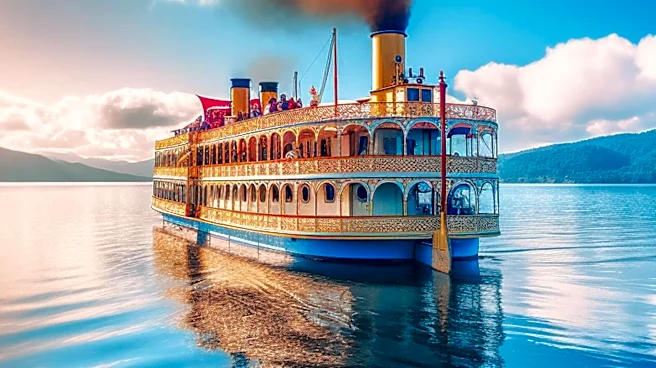
The Moosehead Marine Museum in Greenville, Maine, is operating seasonal cruises aboard the restored steamship Katahdin. These cruises provide historical context regarding the region's logging heritage and the history of lake transportation on Moosehead Lake.
Greenville serves as a primary gateway community for the Moosehead Lake area, offering essential services, supplies, and dining options for visitors. The Katahdin steamship is a key attraction, allowing guests to experience the lake's history firsthand. Moosehead Lake itself is Maine's largest freshwater body, spanning over 40 miles and surrounded by wilderness, attracting numerous outdoor enthusiasts. The region offers a variety of camping options, from developed campgrounds like Lily Bay State Park to remote backcountry sites, catering to different preferences for outdoor activities such as hiking, fishing, and wildlife viewing. The museum's operation of the Katahdin contributes to the cultural and historical tourism of this significant natural area.
Why It's Important?
The operation of the steamship Katahdin by the Moosehead Marine Museum is important for preserving and showcasing the rich history of the Moosehead Lake region, particularly its logging heritage and the evolution of lake transportation. This initiative supports local tourism by offering a unique historical experience, which can attract visitors interested in both natural beauty and cultural insights. For the U.S. tourism industry, especially in New England, such attractions help diversify offerings beyond purely natural landscapes, providing educational and recreational value. The continued maintenance and operation of historic vessels like the Katahdin also contribute to the broader effort of maritime heritage preservation. Economically, these cruises can generate revenue for the museum and the local community of Greenville, supporting jobs and local businesses that cater to tourists. It also highlights the importance of community efforts in maintaining historical artifacts and making them accessible to the public, fostering a sense of regional identity and pride.
What's Next?
The Moosehead Marine Museum will likely continue its seasonal operations of the steamship Katahdin, offering historical cruises throughout the warmer months. Future plans may involve expanding educational programs or special events to further engage visitors with the region's history. The museum will need to continue its efforts in maintaining the historic vessel, which involves ongoing preservation work and securing funding. Local tourism boards and businesses in Greenville will likely continue to promote these cruises as a central attraction for visitors to Moosehead Lake, integrating them into broader regional tourism campaigns. There may also be efforts to enhance the visitor experience, potentially through new exhibits at the museum or collaborations with other local historical sites. The success of these seasonal operations will depend on continued public interest, volunteer support, and effective marketing to draw tourists to the area.
Beyond the Headlines
The continued operation of the steamship Katahdin goes beyond simple tourism; it represents a tangible link to America's industrial and transportation past. It underscores the cultural significance of steamships in opening up remote regions for commerce and settlement, particularly in industries like logging. The preservation of such a vessel highlights a societal value placed on understanding and experiencing historical technologies that shaped the nation. Ethically, it raises questions about the balance between historical authenticity and modern visitor expectations, as well as the environmental impact of operating older machinery in pristine natural environments. Culturally, the Katahdin serves as a floating museum, offering a unique educational platform that can inspire future generations to appreciate engineering, history, and environmental stewardship. Its presence on Moosehead Lake also symbolizes the enduring connection between human activity and natural landscapes, reflecting how communities have adapted and thrived alongside their environment.