
What's Happening?
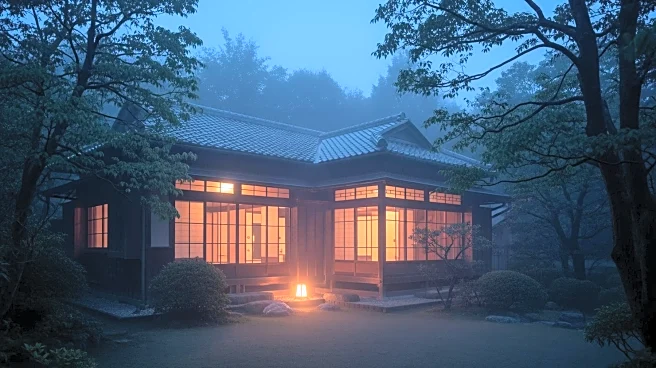
Japanese Prime Minister Sanae Takaichi has recently moved into the official prime ministerial residence in Tokyo, which is reputed to be haunted by ghosts of Japanese soldiers from a century ago. This
move comes more than two months after she took office as Japan's first female prime minister. The residence, a stone-and-brick mansion inspired by the architectural style of Frank Lloyd Wright, has a history of being the site of two attempted coups in the 1930s, during which several top officials, including a prime minister, were assassinated. Despite its ominous reputation, Takaichi's predecessor, Shigeru Ishiba, lived there without fear of ghosts, and former Prime Minister Fumio Kishida reported no supernatural encounters. Takaichi had been staying in accommodations for members of parliament but faced criticism for the time it took her to reach her office after a significant earthquake in early December.
Why It's Important?
The move of Prime Minister Takaichi into the official residence is significant as it marks a return to tradition, with the prime minister residing in the designated official quarters. This decision may also reflect Takaichi's commitment to her role, as she has pledged to work tirelessly, often sleeping only two to four hours a night. The residence's historical significance and its association with past political turmoil add a layer of intrigue to her tenure. Additionally, Takaichi's move could symbolize a break from the past, as her predecessors Shinzo Abe and Yoshihide Suga chose to live elsewhere, leaving the residence unoccupied for several years. This decision may influence public perception of her leadership style and dedication to her duties.
What's Next?
As Prime Minister Takaichi settles into her new residence, it remains to be seen how this move will impact her daily routine and public image. The decision to live in the official residence may be seen as a statement of her commitment to her role and her willingness to embrace the responsibilities and challenges that come with it. Observers will be watching to see if this move affects her ability to respond quickly to emergencies, as well as how it might influence her policy decisions and leadership style. Additionally, any future events or decisions made from this historically significant location could carry symbolic weight, given its storied past.
Beyond the Headlines
The decision to move into a residence with a reputation for being haunted raises questions about the cultural and historical significance of such beliefs in Japan. The presence of alleged ghosts from past political upheavals may serve as a reminder of the country's turbulent history and the sacrifices made by previous leaders. This move could also spark discussions about the role of tradition and superstition in modern Japanese politics, as well as the ways in which leaders navigate the intersection of history and contemporary governance. Takaichi's choice to embrace this aspect of her new role may reflect a broader cultural acceptance of the past's influence on the present.