





What's Happening?
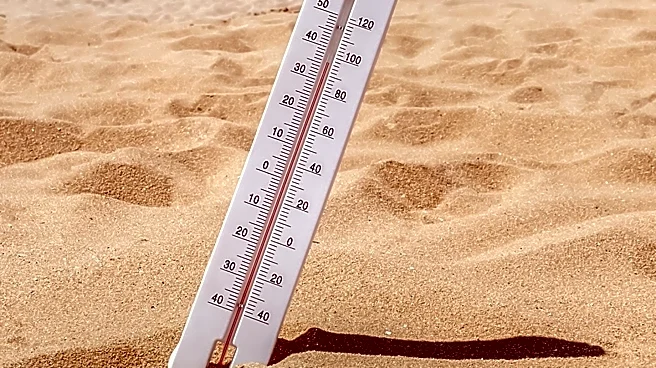
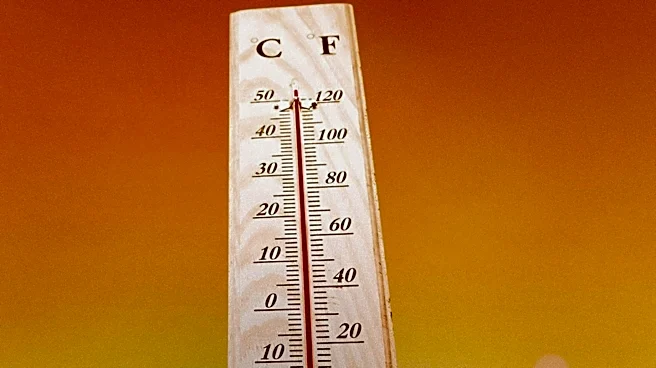
Metro Atlanta is currently under a Code Orange Air Quality Alert, indicating that outdoor air quality is likely to be unhealthy for certain individuals. This alert coincides with a persistent heatwave affecting the region, making conditions uncomfortable
throughout the workweek. The combination of high temperatures and compromised air quality poses potential health risks, particularly for sensitive groups. Residents are advised to be aware of the air quality conditions and take necessary precautions to mitigate exposure to unhealthy air. The alert highlights the dual environmental challenges faced by the metropolitan area, where extreme weather conditions are exacerbating existing air quality concerns.
Why It's Important?
The Code Orange Air Quality Alert in Metro Atlanta is significant due to its direct impact on public health and daily life. Unhealthy air quality can lead to respiratory issues, especially for vulnerable populations such as children, the elderly, and individuals with pre-existing conditions like asthma or heart disease. The concurrent heatwave further compounds these risks, as high temperatures can intensify the effects of air pollution and lead to heat-related illnesses. This situation underscores the growing challenges faced by urban areas in managing environmental health during periods of extreme weather. Businesses and public services may also be affected, with potential recommendations for reduced outdoor activities or altered work schedules to protect employees and the public. The alert serves as a critical reminder of the interconnectedness of climate, environment, and public well-being.
What's Next?
Residents in Metro Atlanta should continue to monitor local news and official advisories for updates on the Code Orange Air Quality Alert and the ongoing heatwave. It is anticipated that health officials will continue to issue guidance on precautions, such as limiting outdoor exposure, staying hydrated, and seeking air-conditioned environments. Depending on the persistence of the heatwave and air quality conditions, further advisories or public health recommendations may be issued. Local authorities may also consider implementing measures to reduce emissions if air quality deteriorates further. The situation will likely remain a focus for public health and environmental agencies as they work to mitigate the impacts on the community.
Beyond the Headlines
The recurring issuance of air quality alerts alongside heatwaves in urban centers like Metro Atlanta points to a broader trend of environmental challenges exacerbated by climate patterns. This situation highlights the need for long-term strategies in urban planning and public health infrastructure to address both extreme heat and air pollution. It also brings to light the socio-economic disparities in vulnerability, as access to air conditioning and clean indoor environments can vary significantly across different communities. The event could prompt discussions on sustainable urban development, green infrastructure, and policies aimed at improving air quality and mitigating the urban heat island effect, ultimately influencing future environmental regulations and public health initiatives.