

What's Happening?
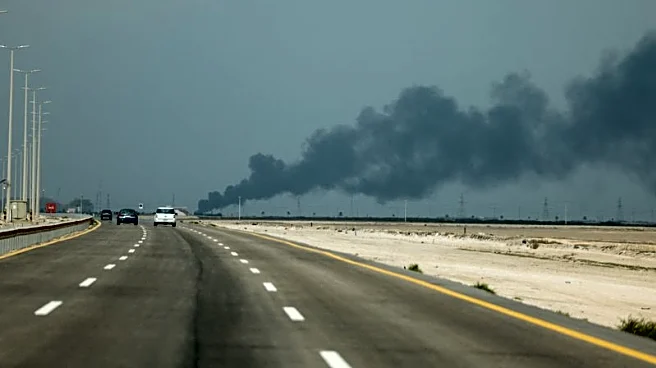
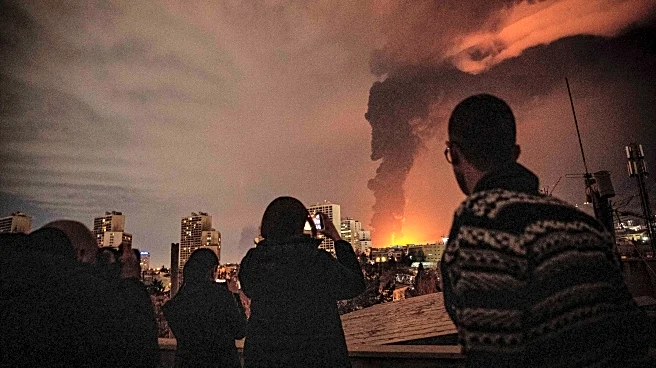
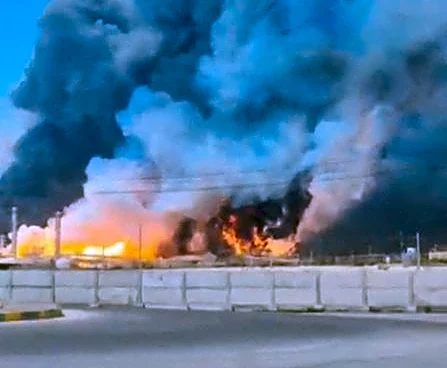
Iran's recent missile attack on Qatar's Ras Laffan Industrial City has severely damaged facilities responsible for 17% of Qatar's liquefied natural gas (LNG) export capacity. According to QatarEnergy's CEO, Saad al-Kaabi, the attack has resulted in significant
fires and damage, sidelining 12.8 million tons of LNG production annually. The repairs are expected to take three to five years, causing a substantial disruption in global energy supplies. This incident has led to a sharp increase in natural gas prices, with European futures rising by 35%. The attack is part of escalating hostilities in the Middle East, which have already caused a halt in production due to previous drone strikes. QatarEnergy is expected to declare force majeure on long-term contracts, affecting supplies to Europe and Asia.
Why It's Important?
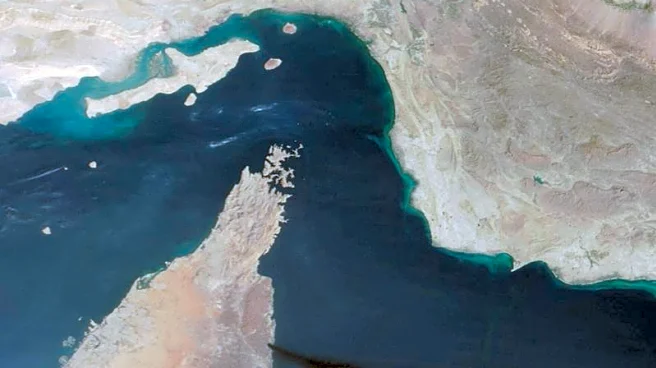
The attack on Qatar's LNG facilities has significant implications for global energy markets, particularly in Europe and Asia, which rely heavily on Qatari LNG. The disruption is expected to cost Qatar an estimated $20 billion in lost annual revenue and exacerbate the already high energy prices in Europe. This situation underscores the vulnerability of global energy supplies to geopolitical conflicts, particularly in the Middle East. The prolonged outage could lead to energy shortages and increased costs for consumers and industries, potentially impacting economic stability in affected regions. The incident also highlights the strategic importance of Qatar's energy infrastructure and the potential for further escalation in the region.
What's Next?
The immediate focus will be on repairing the damaged facilities, a process expected to take several years. In the meantime, countries dependent on Qatari LNG will need to seek alternative energy sources to mitigate the impact of the supply disruption. The ongoing conflict in the Middle East may lead to further attacks on energy infrastructure, increasing the risk of additional supply disruptions. International diplomatic efforts may intensify to de-escalate tensions and prevent further damage to critical energy assets. The situation may also prompt discussions on diversifying energy sources and increasing energy security in affected regions.