






What's Happening?
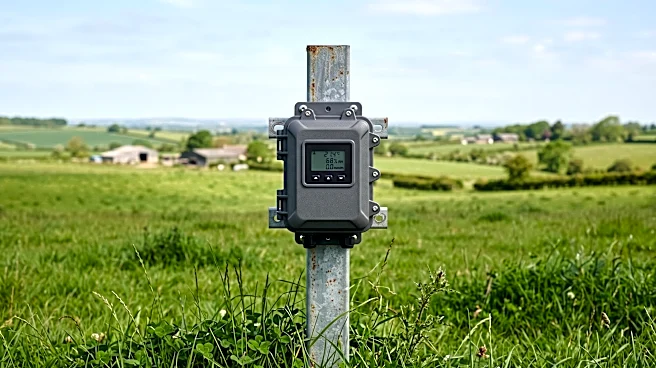
The U.S. Environmental Protection Agency (EPA) has completed its Fifth Unregulated Contaminant Monitoring Rule (UCMR 5) program, collecting data on lithium and 29 PFAS compounds in public drinking water systems from January 2023 through December 2025.
The final dataset was released in August 2026. This monitoring covered public water systems serving 3,300 or more people, along with a nationally representative sample of smaller systems. Notably, private wells were not included in this program. Currently, there is no enforceable federal drinking water limit for lithium, nor has the EPA issued a health advisory for it. The agency uses a non-regulatory Health Reference Level (HRL) of 10 micrograms per liter (µg/L) as a screening value to evaluate occurrence data, distinct from the 9 µg/L minimum reporting level (MRL) used for laboratory measurement consistency. Researchers are still investigating the potential health effects of lithium at concentrations typically found in drinking water, with historical evidence deemed insufficient for a full assessment of long-term exposure risks.
Why It's Important?
The EPA's UCMR 5 data collection on lithium in public drinking water is significant because it provides a nationwide snapshot of a naturally occurring element whose health implications at common drinking water concentrations are not yet fully understood. The absence of a federal maximum contaminant level (MCL) or health advisory means that public water systems are not legally required to treat for lithium, and consumers lack clear regulatory guidance on what constitutes a safe level. This situation places a greater burden on individuals, particularly private well owners, to test their water and interpret results without a definitive health standard. The distinction between the MRL and HRL can cause confusion, highlighting the need for clearer communication regarding non-regulatory screening values versus enforceable health limits. The ongoing research into lithium's health effects underscores a broader challenge in environmental health: assessing risks for substances present at low levels in widespread sources like drinking water, especially when therapeutic doses of the same substance have known effects.
What's Next?
For private well owners, the immediate next step is to consider laboratory testing to determine lithium concentrations in their water, as these wells were not part of the EPA's monitoring. Public water system customers can search the EPA’s UCMR 5 Data Finder for available results. The EPA's continued research into lithium's health effects will be crucial in potentially establishing future regulatory limits or health advisories. The agency's technical fact sheet on lithium indicates that more evidence is needed to fully assess long-term exposure risks. This ongoing scientific evaluation could lead to policy changes, such as the development of an MCL, which would then mandate treatment or notification requirements for public water systems. Additionally, state and local health departments may issue their own guidance in the absence of federal regulations, prompting varied responses across different regions of the U.S. Consumers with health concerns, especially those who are pregnant or taking prescription lithium, are advised to consult healthcare professionals.
Beyond the Headlines
The situation with lithium in drinking water reflects a broader regulatory challenge concerning emerging contaminants. The EPA's approach to lithium, characterized by monitoring without immediate regulation, highlights the lag between scientific discovery of environmental substances and the establishment of comprehensive public health protections. This gap can lead to public uncertainty and a patchwork of local responses. The emphasis on individual testing for private wells also points to inequities in environmental health protection, as access to information and resources for testing and treatment may vary. Furthermore, the discussion around lithium's potential beneficial effects at low levels, alongside its known risks at higher therapeutic doses, complicates public perception and policy-making. This nuanced understanding of dose-response relationships is critical for many environmental contaminants, where low-level, chronic exposures may have subtle but significant long-term health impacts that are difficult to quantify and regulate.