



What's Happening?
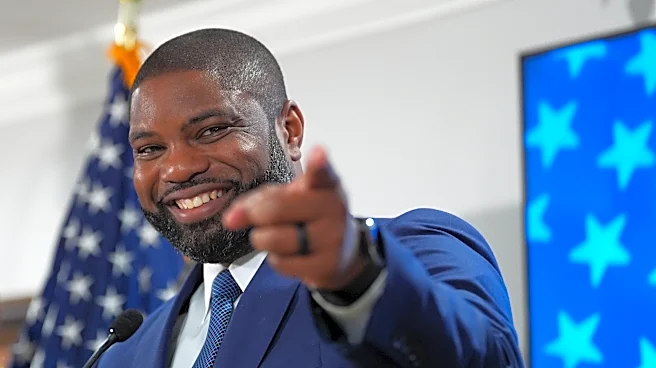
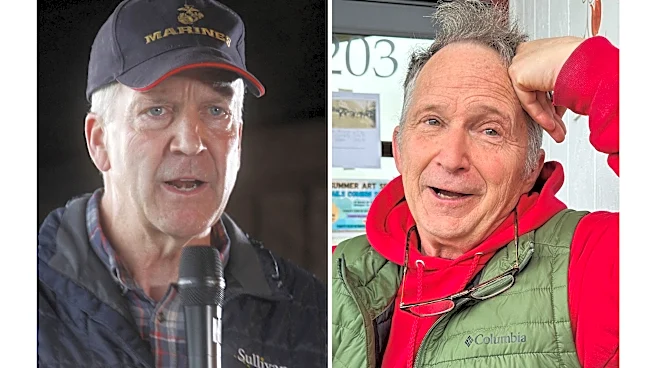
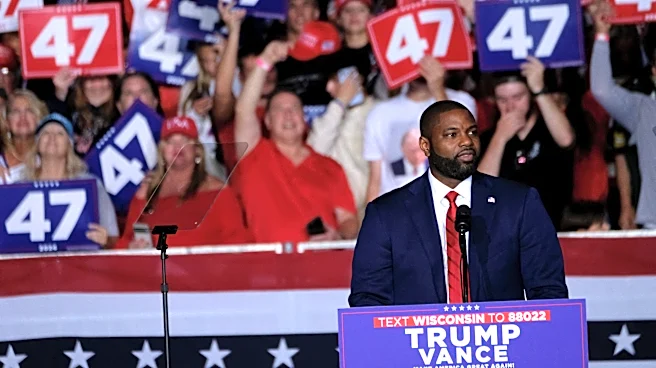
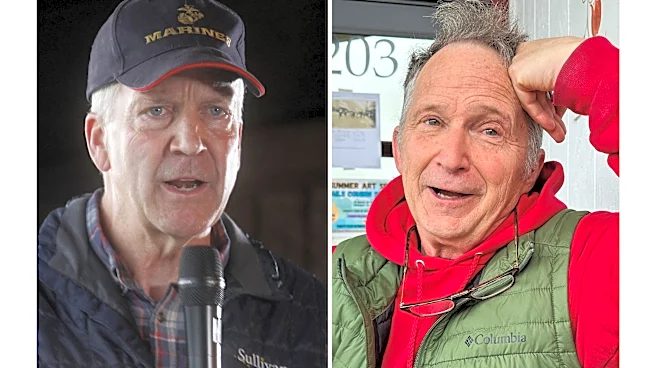
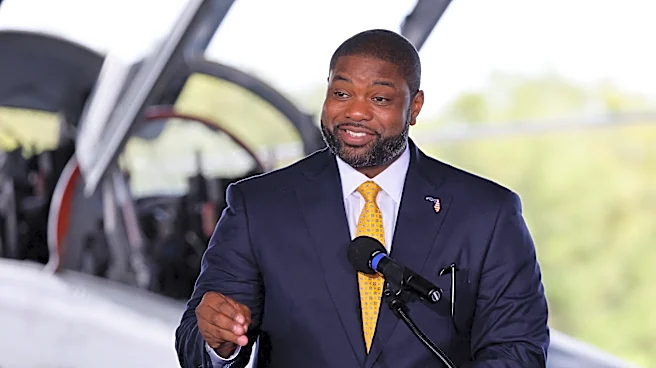
Byron Donalds has won the Republican primary for Florida governor, as projected by NBC News. Donalds, a congressman who received President Trump's endorsement, emerged victorious from a crowded field that included Lt. Gov. Jay Collins and political newcomer
James Fishback. This win sets the stage for Donalds to face former congressman David Jolly in the November midterm elections. According to PBS NewsHour, Donalds aims to become Florida's first Black governor, with his campaign focusing on key issues such as tax cuts and insurance regulation reforms. His primary victory further underscores President Trump's continued influence within Florida politics.
Why It's Important?
Byron Donalds' victory in the Republican primary is significant for several reasons. It highlights the enduring power of President Trump's endorsement in Republican primary races, even amidst varying results in other states. Donalds' aspiration to become Florida's first Black governor represents a potentially historic moment for the state's political landscape. His platform, centered on tax cuts and insurance regulation reforms, addresses issues that are often critical to Florida voters and could shape the state's economic direction. The upcoming general election against David Jolly, a former Republican who switched parties, will be a crucial test of Florida's political leanings, which have shifted rightward in recent years, and will indicate the state's future political trajectory.
What's Next?
Byron Donalds will now advance to the general election on Tuesday, November 3, 2026, where he will compete against former congressman David Jolly. Both parties are preparing for what is expected to be a competitive race. Donalds will likely continue to campaign on his platform of tax cuts and insurance regulation reforms, leveraging President Trump's endorsement and his goal of becoming the state's first Black governor. Jolly, leading the Democratic field, will focus on uniting Democrats and appealing to moderate voters. The general election will be a significant indicator of Florida's political future and the effectiveness of different campaign strategies in a state with evolving political demographics.
Beyond the Headlines
Donalds' primary win and his ambition to become Florida's first Black governor introduce a compelling narrative into the state's political discourse, potentially inspiring broader participation and representation. The continued influence of President Trump's endorsement in this race also speaks to the evolving dynamics of party loyalty and the weight of a former president's backing in contemporary U.S. elections. The contest against David Jolly, a former Republican turned Democrat, further complicates the political landscape, highlighting the fluidity of party affiliations and the potential for cross-party appeal. This election will not only determine Florida's next governor but also serve as a case study for the impact of national political figures on state-level races and the ongoing shifts in voter demographics and preferences.