







What's Happening?
The High Ambition Coalition on Plastics, an initiative aimed at establishing an international treaty to combat plastic pollution, is encountering significant challenges. The chair of the treaty talks resigned in October following allegations of undue
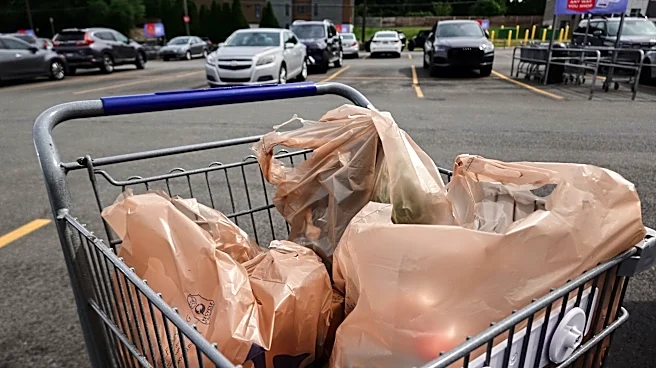
pressure from the United Nations Environment Programme, which oversees the discussions. This development has led to uncertainty about the future of the treaty talks, with the next round of discussions potentially delayed until late 2026 or 2027. Additionally, Norway, the largest donor to the UN's environment programme, is reconsidering its financial support, further complicating the situation. Efforts to address plastic pollution are focusing on limiting plastic use to essential purposes and promoting the use of refillable containers for food and beverages.
Why It's Important?
The challenges facing the High Ambition Coalition on Plastics highlight the complexities involved in addressing global environmental issues. The potential delay in treaty discussions could hinder progress in reducing plastic pollution, which is a significant environmental concern worldwide. The involvement of major donors like Norway is crucial for the continuation of these efforts, and their reconsideration of funding could impact the programme's ability to function effectively. The situation underscores the need for robust international cooperation and commitment to tackle plastic pollution, which affects ecosystems, wildlife, and human health. The outcome of these discussions could influence global policies on plastic use and waste management, affecting industries and economies reliant on plastic production and consumption.
What's Next?
The future of the High Ambition Coalition on Plastics depends on resolving leadership and funding issues. Stakeholders, including governments, environmental organizations, and industry leaders, will need to engage in dialogue to address these challenges and ensure the continuation of treaty talks. The delay in discussions provides an opportunity for stakeholders to reassess strategies and strengthen commitments to reducing plastic pollution. Policymakers may need to explore alternative funding sources and build broader coalitions to support the initiative. The outcome of these efforts will be critical in determining the effectiveness of global actions to mitigate plastic pollution and promote sustainable practices.