



What's Happening?
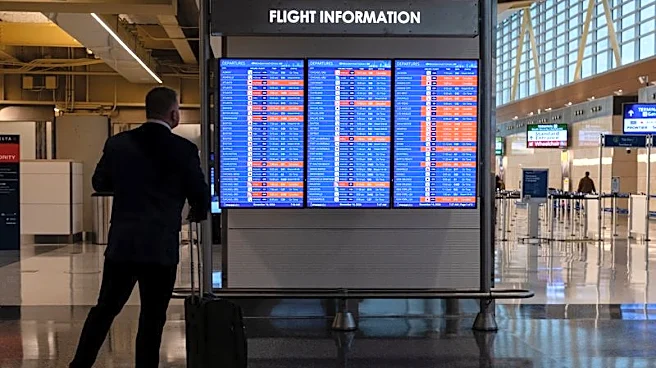
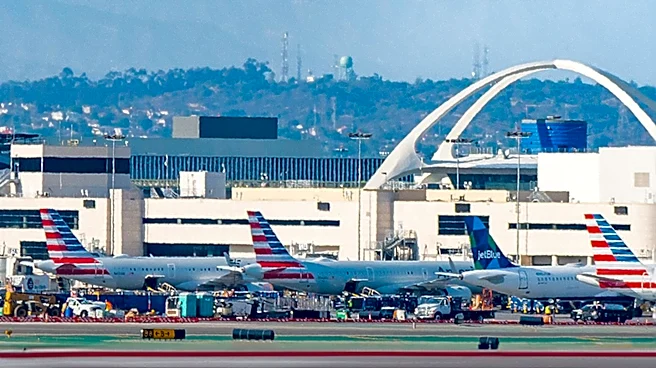
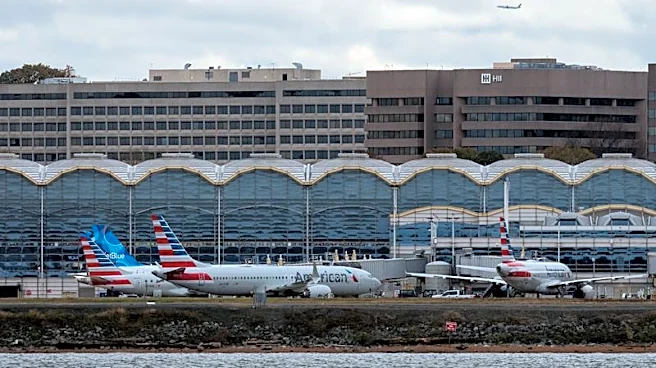
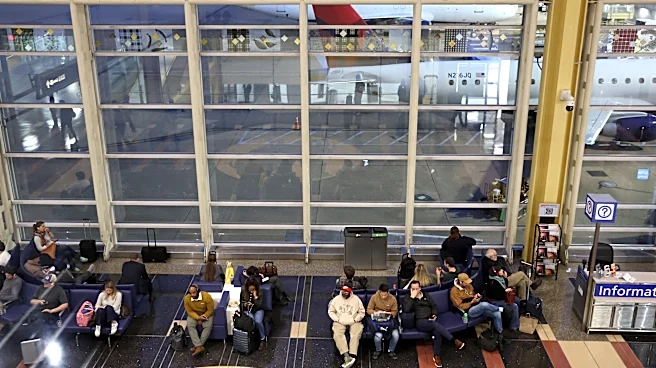
U.S. air travel is recovering after a nationwide ground stop that lasted over four hours, the longest in 25 years. The disruption, which occurred on Friday, led to thousands of flight cancellations and delays throughout the weekend. Officials attributed
the issue to excess data overwhelming air traffic control systems during equipment upgrades. The Federal Aviation Administration (FAA) identified a radar site in Amarillo, Texas, and a radio communications site in El Dorado, Arkansas, as potential sources of the problem. Transportation Secretary Sean Duffy stated that a contractor's replacement of old copper wire with new fiber wire at the Arkansas site, followed by a router activation, led to a cascading problem in Texas. Despite the significant travel disruptions, officials confirmed that U.S. airspace remained safe and found no indication of a cyberattack. Airlines offered affected passengers fee-free rebooking or refunds. By Sunday, just over 1,300 of the more than 26,000 scheduled flights were canceled, a decrease from the peak of the disruption, with full recovery expected by late Sunday or early Monday.
Why It's Important?
This incident highlights critical vulnerabilities in the nation's aging air traffic control infrastructure and underscores the urgent need for modernization. The four-hour ground stop, the longest in a quarter-century, caused widespread economic and personal disruption, affecting thousands of travelers and businesses reliant on air transport. The FAA's identification of specific hardware and data overload issues points to systemic challenges that, if unaddressed, could lead to more frequent and severe disruptions. Transportation Secretary Sean Duffy's repeated calls for billions of dollars in congressional funding for infrastructure upgrades emphasize the long-term underinvestment in this vital sector. The incident also raises questions about the resilience of critical national systems against technical failures, even in the absence of cyberattacks. For the U.S. economy, reliable air travel is crucial for commerce, tourism, and supply chains, making these infrastructure deficiencies a significant concern for various stakeholders, including airlines, travel companies, and the broader public.
What's Next?
Transportation Secretary Sean Duffy is actively pushing Congress for an additional $30 billion to complete the modernization of the air traffic control infrastructure. This funding is intended to accelerate the replacement of remaining copper wire with fiber optics, a process that is currently about 70% complete. The FAA will likely continue its investigation into the exact cause of the data overload and implement measures to prevent similar occurrences. Airlines will focus on fully restoring their schedules and managing passenger rebookings. The incident is expected to intensify the debate in Congress regarding infrastructure spending, with Secretary Duffy emphasizing that the issue stems from decades of underinvestment by both Republican and Democratic administrations. Stakeholders, including travel industry groups and passenger advocacy organizations, will likely monitor these developments closely and advocate for timely and effective solutions to prevent future disruptions.
Beyond the Headlines
The recent nationwide ground stop transcends a mere technical glitch, revealing deeper implications for national infrastructure policy and public trust. The incident underscores the ethical responsibility of government agencies to maintain robust and modern systems that underpin essential services. The reliance on aging infrastructure, as highlighted by the copper-to-fiber transition, points to a broader societal challenge of prioritizing long-term investment over short-term fiscal constraints. Culturally, such widespread disruptions can erode public confidence in the reliability of national systems and generate frustration among citizens who depend on these services for work, family, and leisure. The incident also prompts a re-evaluation of the balance between cost-cutting measures and the imperative of maintaining resilient infrastructure in an increasingly interconnected world. The long-term shift required is not just technological but also a change in political will to commit sustained funding to critical national assets.