





What's Happening?
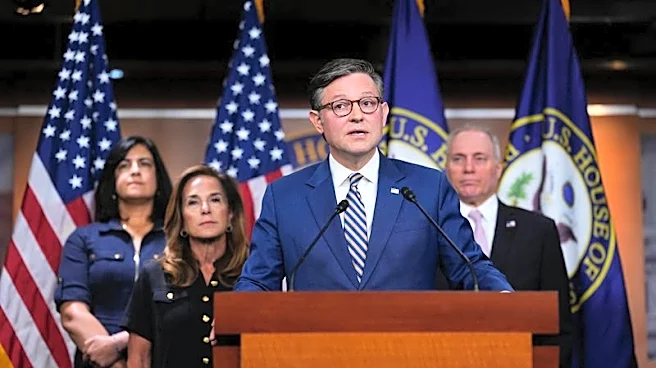
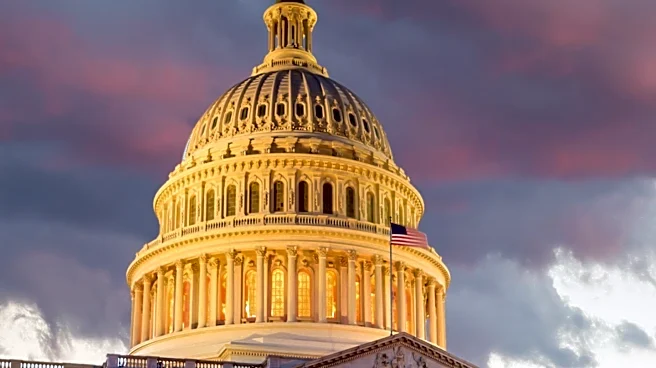
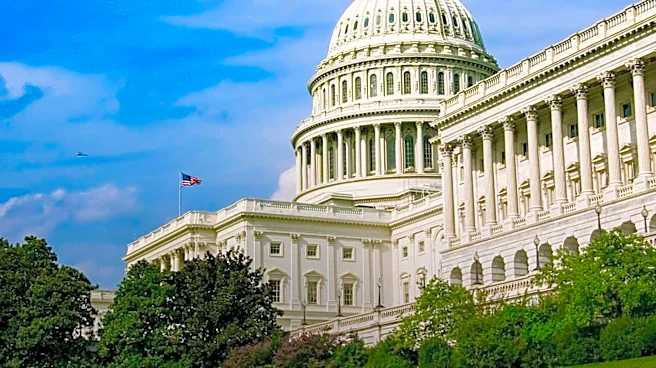
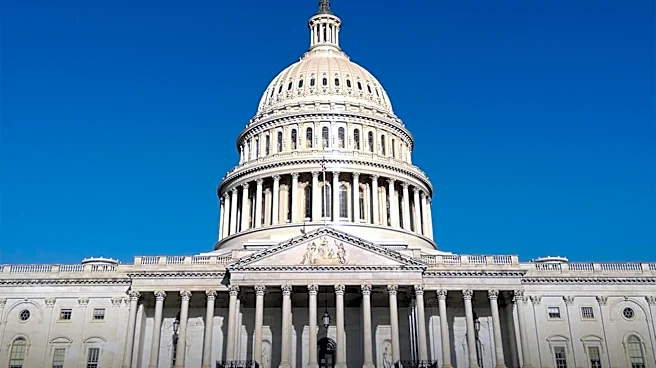
The U.S. House of Representatives has passed a temporary government funding bill aimed at preventing a potential shutdown before the upcoming midterm elections. The bill, which funds the federal government through December 4, was passed by a mostly party-line
vote of 220-205. This early action is unusual, as Congress typically addresses such funding measures closer to the fiscal year-end deadline. House Speaker Mike Johnson challenged Democrats to oppose the bill, suggesting they would be responsible for any ensuing chaos if the government were to shut down after September 30. The bill maintains current spending levels and is intended to avoid the disruptions caused by previous shutdowns. GOP leaders plan to focus on other legislative priorities, including a $95 billion bill to boost defense and aid farmers, as well as parts of President Trump's elections overhaul bill.
Why It's Important?
The passage of this funding bill is significant as it seeks to avert a government shutdown that could negatively impact public services and the economy. By securing funding through December, lawmakers aim to prevent the political fallout and public dissatisfaction that often accompany shutdowns, especially during an election season. The move reflects a strategic effort by Republicans to maintain stability and avoid giving Democrats a potential advantage. The bill's passage also highlights ongoing partisan tensions, as Democrats criticized the lack of bipartisan negotiation and the exclusion of their priorities. The outcome of this legislative action could influence voter sentiment and party dynamics in the upcoming elections.
What's Next?
The bill now moves to the Senate, where it requires support from at least 60 senators to advance. Senate Majority Leader John Thune indicated that discussions are ongoing with Senate Appropriations Committee Chair Susan Collins and Democrats to find a path forward. If the Senate approves the bill, it will ensure government operations continue without interruption until December. However, if the bill faces opposition, further negotiations may be necessary to reach a consensus. The outcome will be closely watched by political leaders and the public, as it could set the tone for future legislative cooperation or conflict.