






What's Happening?
The U.S. consumer price index (CPI) rose by 0.9% in March, resulting in an annual inflation rate of 3.3%, according to the Bureau of Labor Statistics. This increase is largely attributed to a 10.9% surge in energy costs, driven by the ongoing conflict
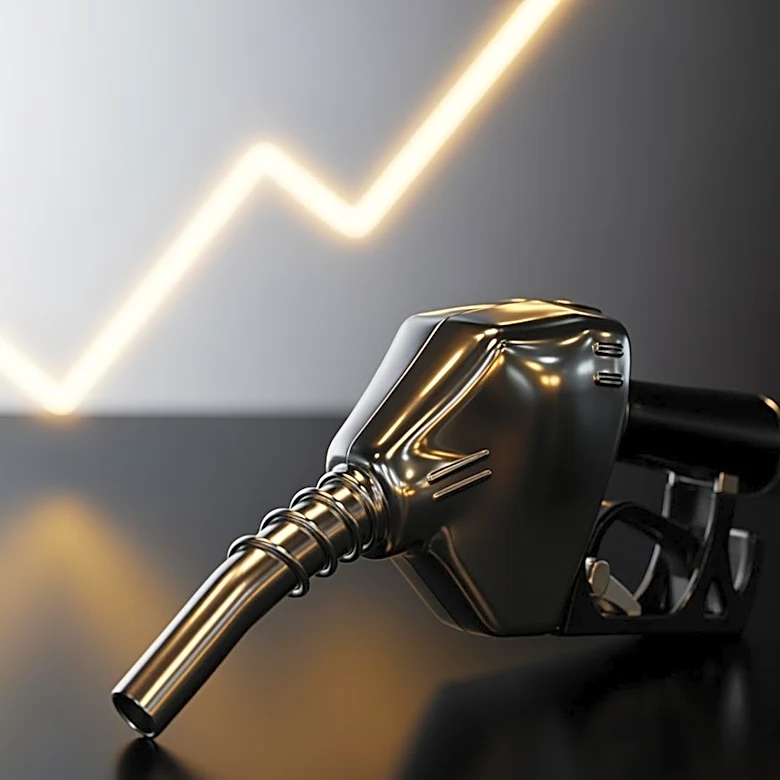
with Iran. Gasoline prices alone rose by 21.2%, accounting for a significant portion of the overall CPI increase. Despite the sharp rise in energy prices, core inflation, which excludes food and energy, remained relatively stable, increasing by just 0.2% for the month. The report suggests that while energy prices have spiked, underlying inflation pressures are more contained. The Federal Reserve is closely monitoring these developments as it considers future monetary policy actions.
Why It's Important?
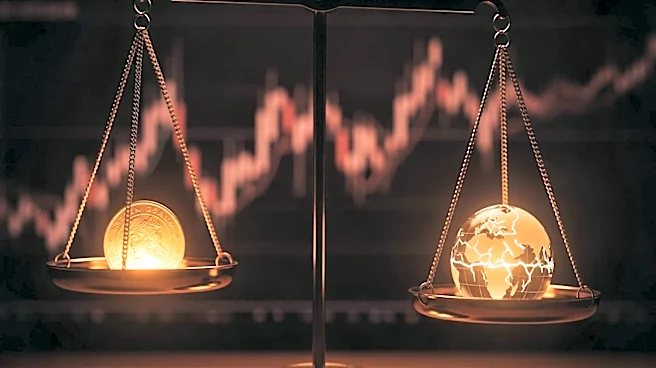
The rise in inflation, particularly driven by energy costs, poses challenges for the Federal Reserve as it seeks to balance inflation control with economic growth. The increase in energy prices affects not only consumer spending but also business operations, potentially leading to higher production costs and reduced profit margins. This situation could impact economic recovery efforts and influence monetary policy decisions, such as interest rate adjustments. The Federal Reserve's ability to manage inflation expectations will be crucial in maintaining economic stability and consumer confidence. Additionally, the geopolitical tensions with Iran highlight the vulnerability of the U.S. economy to external shocks, emphasizing the need for strategic energy policies.
What's Next?
With a ceasefire in place between the U.S. and Iran, there is potential for energy prices to stabilize, which could help moderate inflationary pressures. The Federal Reserve will likely continue to assess the inflation landscape and may adjust its policy stance accordingly. Market participants and businesses will be closely watching for signals from the Fed regarding interest rate changes and other monetary policy measures. In the meantime, consumers and businesses may need to adapt to the current inflationary environment by adjusting their spending and pricing strategies.