





What's Happening?
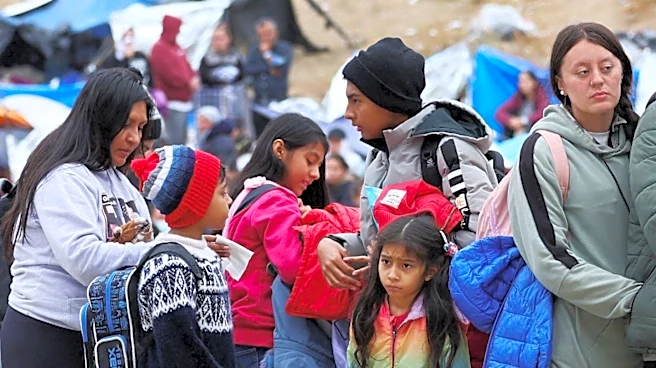
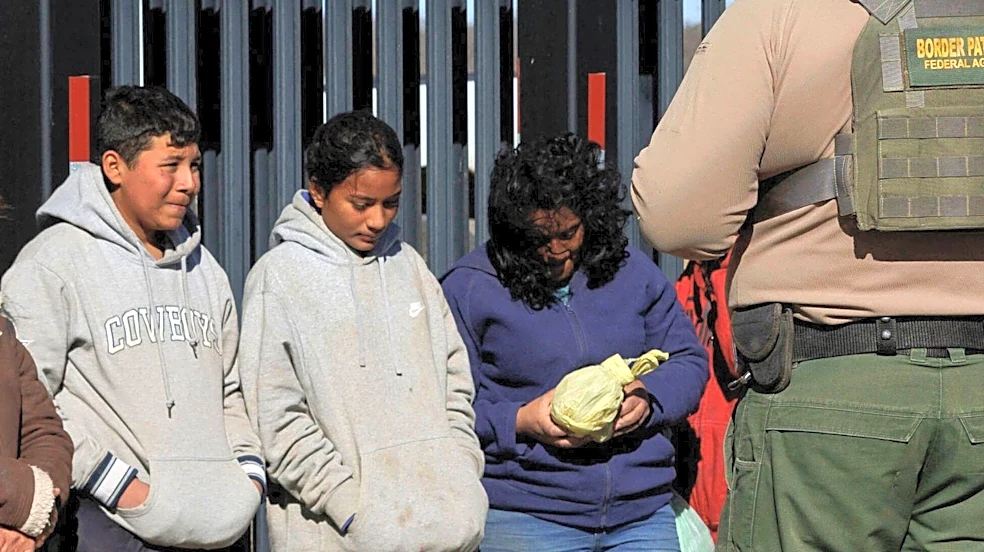
A new lawsuit has been filed by an Arizona legal-aid group, the Florence Immigrant and Refugee Rights Project, along with other plaintiffs, alleging that the Trump administration is accelerating the deportation process for unaccompanied immigrant children
in the U.S. The lawsuit claims that the government is pushing children into rapid asylum proceedings, sometimes within 24 hours, which leaves insufficient time for preparation, even with legal representation. Furthermore, requests from attorneys to reschedule proceedings to gather more evidence are reportedly being routinely denied. The legal groups also highlight a policy that pressures immigration judges to close cases for children in custody by January, a process that typically spans several years. This legal action follows the Trump administration's decision in July to terminate its contracts with legal-aid groups that were part of a federally-funded program designed to ensure unaccompanied children have access to legal counsel. This program was established nearly two decades ago by Congress, underpinned by federal anti-trafficking laws. The plaintiffs argue that these new practices violate due process and the Administrative Procedures Act and are seeking judicial intervention.
Why It's Important?
This lawsuit carries significant implications for the U.S. immigration system and the rights of unaccompanied minors. The alleged fast-tracking of deportations could lead to thousands of children facing immigration court proceedings without adequate legal counsel or preparation, potentially resulting in their removal from the U.S. without a fair hearing. The termination of contracts with legal-aid groups means that over 20,000 children may now have to navigate complex legal processes alone, unless pro-bono lawyers step in. This situation raises serious concerns about the U.S.'s adherence to federal anti-trafficking laws and due process, which are designed to protect vulnerable children. The outcome of this lawsuit could set a precedent for how unaccompanied minors are treated within the immigration system, impacting their access to legal representation and the fairness of their asylum claims. It also highlights a broader debate about the balance between immigration enforcement and humanitarian considerations for children.
What's Next?
The lawsuit requests that the judge intervene to halt the alleged fast-tracking of deportations and ensure due process for unaccompanied immigrant children. The court will now consider the arguments presented by the legal-aid groups regarding violations of due process and the Administrative Procedures Act. A potential outcome could be a judicial order requiring the administration to revert to previous procedures that allowed more time for children to prepare their asylum cases and access legal counsel. This could also lead to a re-evaluation of the policy pushing for rapid case closures by January. The legal community and child advocacy groups will likely continue to monitor the situation closely, potentially offering pro-bono services to affected children. The Trump administration is expected to defend its policies, arguing for the efficiency and necessity of its immigration enforcement measures. The resolution of this case could influence future immigration policies concerning minors and potentially lead to legislative discussions on the protections afforded to unaccompanied children at the border.
Beyond the Headlines
The deeper implications of this lawsuit extend to the fundamental principles of justice and child protection within the U.S. legal system. The complaint explicitly states that the U.S. immigration system is built for adults, with specific federal laws ensuring that children under 18 who arrive at the border without a parent or legal guardian are treated differently. The alleged practices, if upheld, could erode these long-standing protections, potentially creating a system where the vulnerability of children is overlooked in favor of expedited processing. This situation could also exacerbate the psychological trauma experienced by these children, who are often fleeing violence or persecution in their home countries. Furthermore, the lawsuit underscores the ongoing tension between federal immigration enforcement priorities and the humanitarian obligations to protect children, potentially sparking broader societal discussions about the ethical responsibilities of the government towards unaccompanied minors. The outcome could redefine the legal and ethical boundaries of immigration enforcement when applied to children.