





What's Happening?
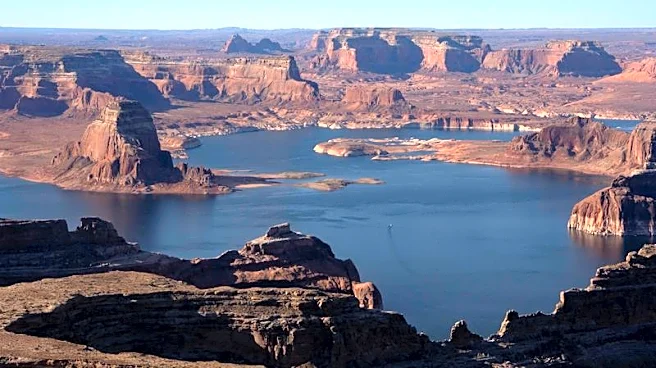
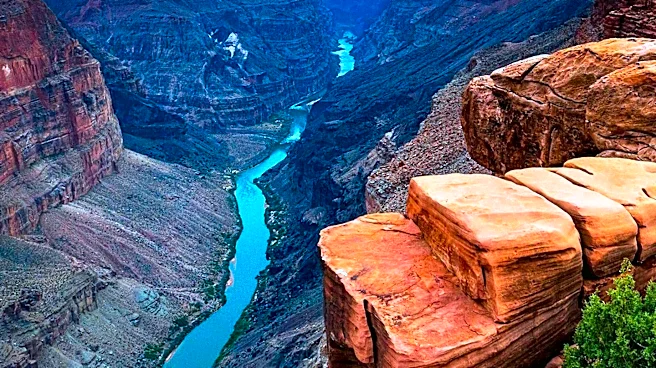
The federal government has proposed water cuts for California, Arizona, and Nevada due to historically low water levels in the Colorado River. This proposal aims to address the severe drought conditions affecting the river, which is a crucial water source
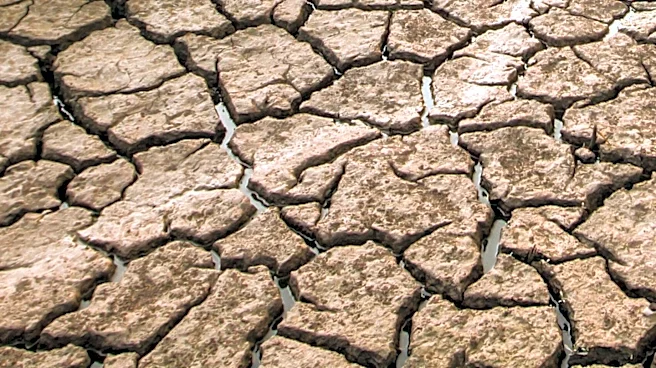
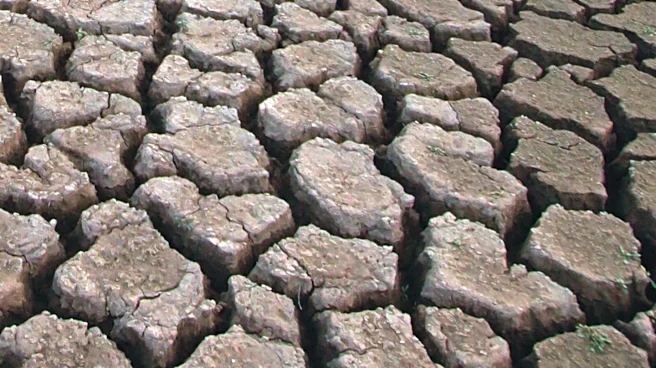
for these states. The cuts are part of a broader effort to conserve water and prevent future water shortages. The situation has reached a critical point, with the river's water levels dropping to unprecedented lows, threatening the water supply for millions of people and agricultural operations in the region.
Why It's Important?
The proposed water cuts are significant as they highlight the ongoing water crisis in the western United States, exacerbated by climate change and prolonged droughts. The Colorado River is a vital resource for drinking water, agriculture, and industry in the region. Reductions in water allocation could have far-reaching impacts on local economies, particularly in agriculture, which relies heavily on the river for irrigation. Additionally, the cuts could lead to increased tensions among states over water rights and allocation, necessitating collaborative efforts to manage the shared resource sustainably.
What's Next?
The affected states will need to negotiate and implement the proposed water cuts, which may involve revising existing water management agreements. Stakeholders, including state governments, agricultural sectors, and environmental groups, are likely to engage in discussions to balance water conservation with economic needs. The federal government may also explore additional measures to support water conservation and infrastructure improvements to mitigate the impact of reduced water availability.