





What's Happening?
The Bureau of Reclamation has released a new management plan for the Colorado River, proposing significant water cuts for states in the river's Lower Basin, including Arizona, California, and Nevada. The plan suggests reducing water allocations by up
to 1.5 million acre-feet in 2027 and 2028, with potential cuts reaching 3 million acre-feet beyond 2028. Arizona, in particular, would face substantial reductions, which the state's Department of Water Resources has deemed 'unacceptable' due to the potential economic impact. The plan also calls for voluntary reductions from Upper Basin states and aims to address the river's inability to meet current water demands.
Why It's Important?
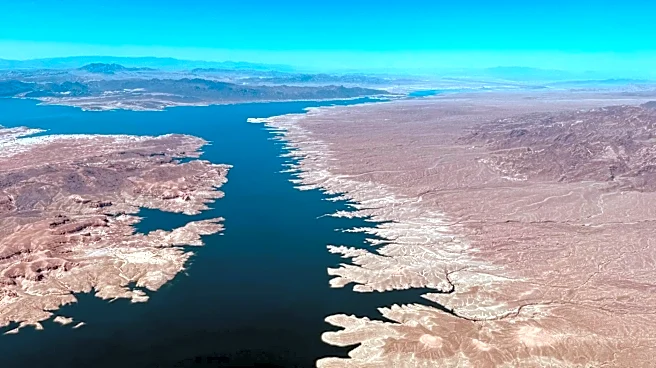
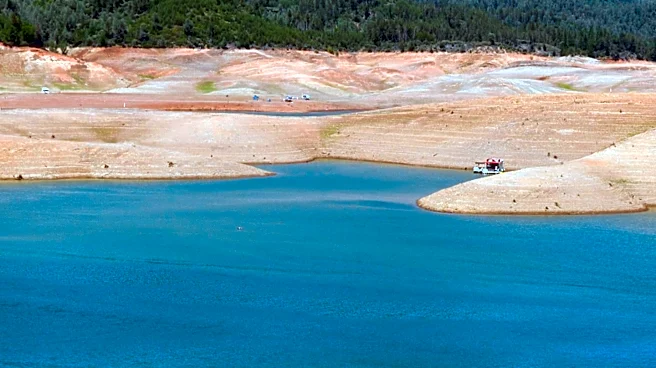
The proposed water cuts highlight the ongoing challenges of managing the Colorado River, a critical water source for millions of people across the southwestern United States. The river's decreasing flow, exacerbated by climate change and overuse, threatens water security and economic stability in the region. The plan underscores the need for collaborative solutions among the seven basin states to ensure sustainable water management. Failure to reach an agreement could lead to legal disputes and further strain on the river's resources, impacting agriculture, urban water supplies, and the environment.
What's Next?
The Bureau of Reclamation's plan leaves the door open for the basin states to negotiate a long-term agreement. However, ongoing disagreements over mandatory cuts and voluntary measures could stall progress. The absence of a consensus increases the likelihood of legal battles, potentially involving the Supreme Court. Moving forward, stakeholders will need to balance immediate water needs with long-term sustainability, considering both environmental and economic factors. The outcome of these negotiations will be crucial in shaping the future of water management in the Colorado River Basin.