





What's Happening?
The U.S. National Oceanic and Atmospheric Administration (NOAA) has reported that the current El Nino is intensifying and is expected to reach historically strong levels by fall. This natural warming of the equatorial Pacific is altering global weather
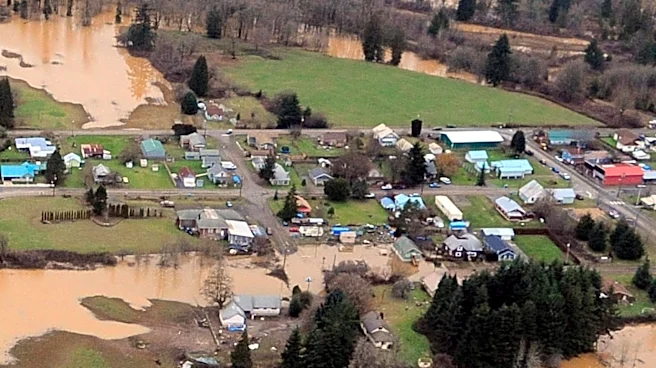
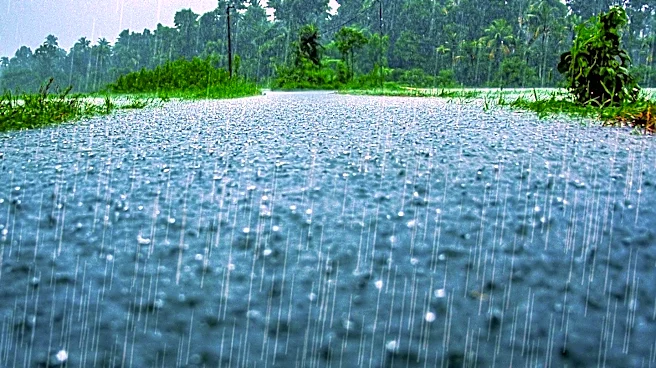
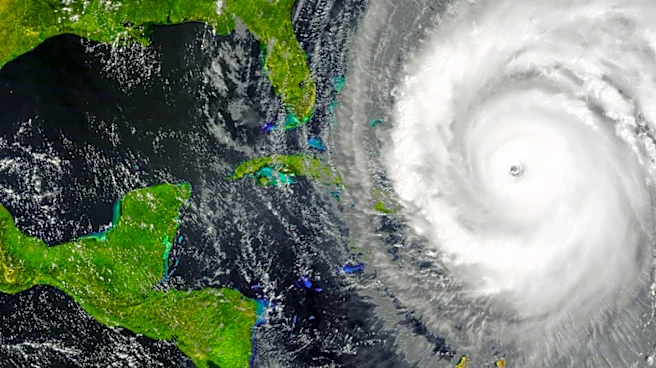
patterns, with an 81% chance of becoming 'very strong,' the highest category since tracking began in 1950. The El Nino, which formed last month, has already surpassed the weak stage and is now considered moderate. Ocean temperatures in key Pacific areas are at or near record highs, partly due to human-caused climate change. This El Nino is expected to have significant impacts, including increased rainfall in the southern U.S. during winter and warmer conditions in the northern U.S. and Canada. It is also likely to dampen the Atlantic hurricane season, with forecasts predicting below-normal hurricane activity.
Why It's Important?
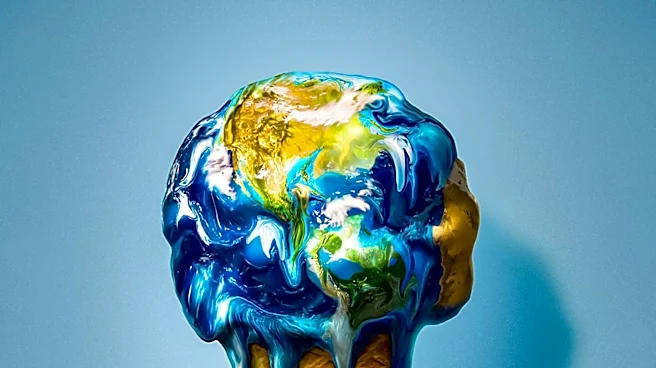
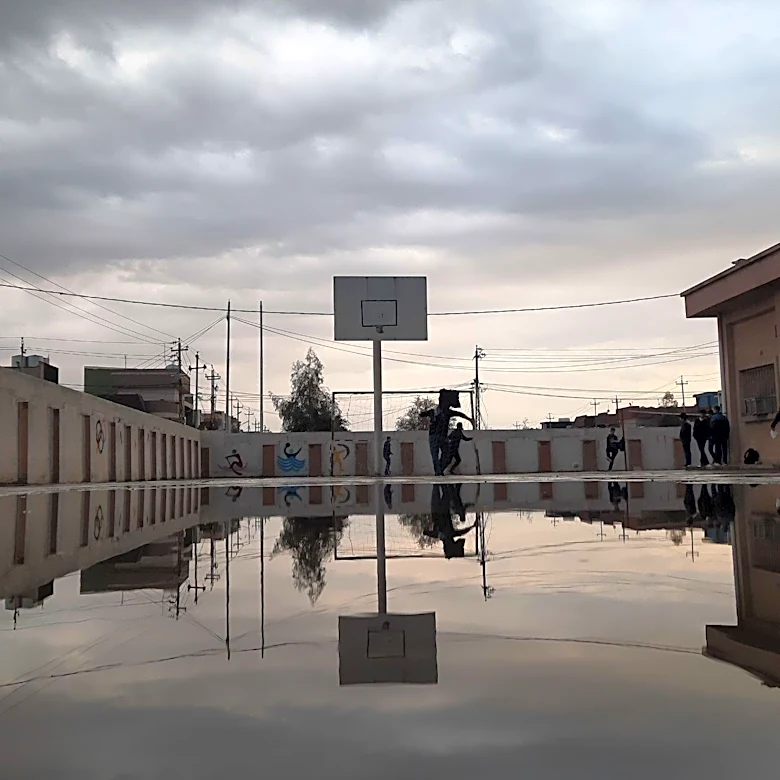
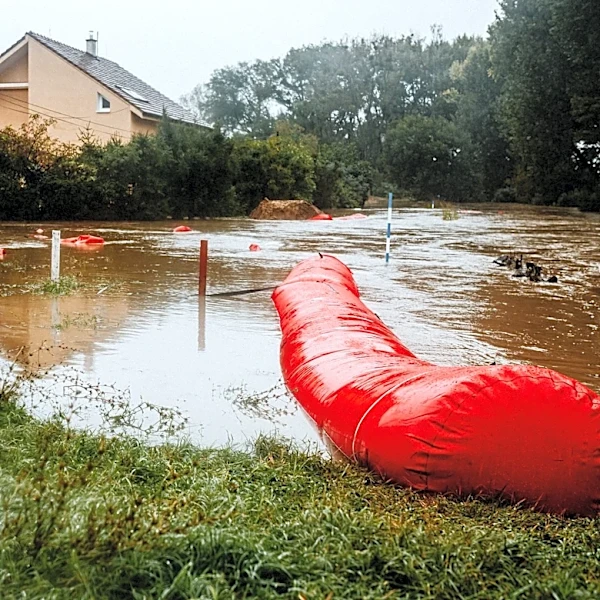
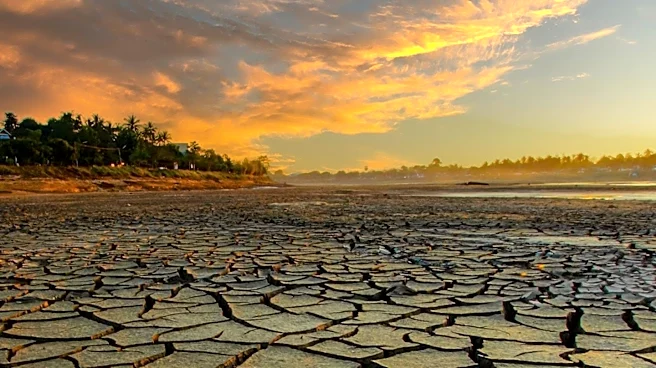
The intensifying El Nino has broad implications for weather patterns across the United States and globally. For the U.S., the expected wetter winter in the South could alleviate drought conditions but also increase the risk of flooding. The warmer winter in the North could impact energy consumption and agricultural cycles. The reduction in hurricane activity in the Atlantic could decrease the risk of storm-related damages along the U.S. East Coast. However, the global impacts, such as potential droughts in Indonesia and warmer conditions in the eastern Pacific, highlight the interconnected nature of climate systems. The El Nino's role as a 'thermostat' for global climate, releasing accumulated heat into the atmosphere, underscores the ongoing challenges of climate change and the need for adaptive strategies.
What's Next?
As the El Nino continues to strengthen, meteorologists and climate scientists will closely monitor its development and impacts. The NOAA and other agencies will provide regular updates and forecasts to help communities prepare for potential weather extremes. Policymakers and emergency management officials may need to plan for increased rainfall and potential flooding in the southern U.S., as well as adjust strategies for energy and agricultural sectors in the North. The anticipated reduction in hurricane activity could influence insurance and disaster preparedness plans along the Atlantic coast. Globally, countries affected by El Nino-induced weather changes may need to implement measures to mitigate impacts on agriculture, water resources, and public health.