









What's Happening?
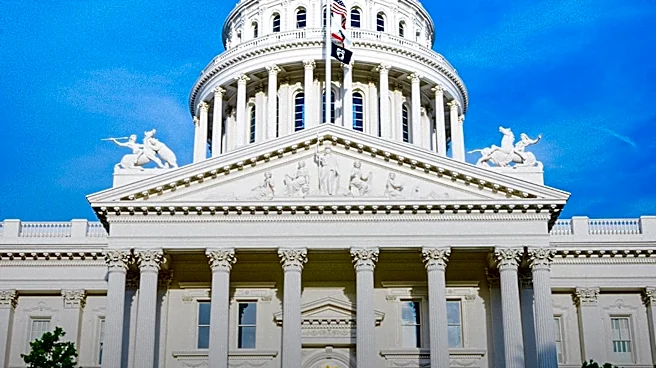
California Governor Gavin Newsom has proposed a national wealth tax, despite previously opposing a similar measure in California. The proposal aims to impose a one-time tax on individuals with a net worth exceeding $1 billion. Critics argue that such
a tax could drive billionaires out of the state, negatively impacting California's economy. The proposal has already led to some wealthy individuals relocating their assets and businesses to states with more favorable tax climates. Newsom's shift in stance is seen as a strategic move ahead of a potential presidential run in 2028.
Why It's Important?
The wealth tax proposal highlights ongoing debates about taxation and economic fairness in the United States. While proponents argue that taxing the ultra-rich could address inequality and generate revenue, opponents warn of potential economic repercussions, including capital flight and reduced investment. The proposal also raises constitutional questions, as similar taxes have been deemed unconstitutional in other countries. The debate reflects broader tensions between economic policy and political strategy, as Newsom navigates public opinion and potential electoral implications.
What's Next?
If the wealth tax proposal gains traction, it could lead to significant policy discussions at the national level. Lawmakers and economic stakeholders may engage in debates over the feasibility and impact of such a tax. The proposal's reception could influence Newsom's political prospects and shape the discourse around taxation and wealth distribution in upcoming elections. Additionally, the response from the business community and wealthy individuals may affect the proposal's viability and implementation.
Beyond the Headlines
The wealth tax debate may prompt broader reflections on economic justice and the role of taxation in addressing inequality. Ethical considerations about the responsibilities of the wealthy and the impact of tax policies on social equity could become more prominent. The discussion may also influence cultural attitudes towards wealth and success, as society evaluates the balance between individual prosperity and collective well-being.