



What's Happening?
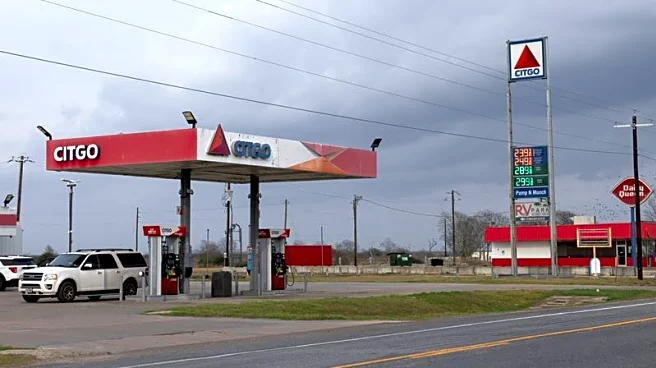
Gas prices in California have surged significantly due to the ongoing conflict with Iran, which has disrupted oil movement through the Persian Gulf. The average cost of a gallon of regular gas in California has reached $4.91, marking a 6% increase from
the previous week and an 11% rise from the previous month. This increase is notably higher than the national average of $3.32 per gallon. The conflict has led to a spike in oil prices, exacerbating the already high gas prices in California, which are influenced by the state's higher taxes and stringent environmental regulations. These factors have historically made California's gas prices the highest in the nation. The situation is further complicated by recent refinery closures in the state, which have reduced local supply and increased reliance on imported gasoline.
Why It's Important?
The rising gas prices in California have significant implications for both consumers and the broader economy. Higher fuel costs can lead to increased transportation expenses, affecting everything from individual commuting costs to the price of goods transported by road. This can contribute to inflationary pressures, impacting consumer spending and economic growth. The situation also highlights the vulnerability of California's energy supply chain, which is heavily reliant on imports due to local production constraints. This reliance makes the state particularly susceptible to geopolitical events that disrupt global oil markets. Additionally, the high cost of living in California, exacerbated by these fuel price increases, could influence migration patterns and economic decisions by businesses and individuals.
What's Next?
The future trajectory of gas prices in California will largely depend on the developments in the Iran conflict and the global oil market. If the conflict escalates, further disruptions in oil supply could lead to even higher prices. Conversely, a resolution could stabilize or reduce prices. Policymakers in California may face increased pressure to address the state's energy policies and explore ways to mitigate the impact of such price surges on consumers. This could involve revisiting environmental regulations or seeking alternative energy sources to reduce dependency on imported oil. Stakeholders, including government officials, industry leaders, and consumer advocacy groups, are likely to engage in discussions on how to balance environmental goals with economic realities.