







What's Happening?
The United Nations Environment Programme (UNEP) and the Coordinating Body on the Seas of East Asia (COBSEA) are co-hosting the 7th SEA of Solutions Forum on October 28, 2026, at the United Nations Conference Centre in Bangkok. This event is part of the inaugural
Asia Pacific Ocean Week. The forum aims to bring together a diverse group of stakeholders, including government representatives, UN entities, regional organizations, civil society, academia, youth, the private sector, financial institutions, and development partners. The primary objective is to advance actions against plastic pollution and marine litter across the Asia and the Pacific region. This year's forum will focus on transitioning from solutions and commitments to concrete implementation and achieving greater impact. Under the theme “Partnerships and Solutions for Action on Plastic Pollution,” the event will explore how stronger enabling environments, partnerships, and regional collaboration can accelerate the implementation and scaling up of practical solutions throughout the region. The program will feature plenaries and thematic sessions covering policy and governance, financing and investment, behavior change and inclusion, practical solutions and innovation, and regional collaboration and scale-up.
Why It's Important?
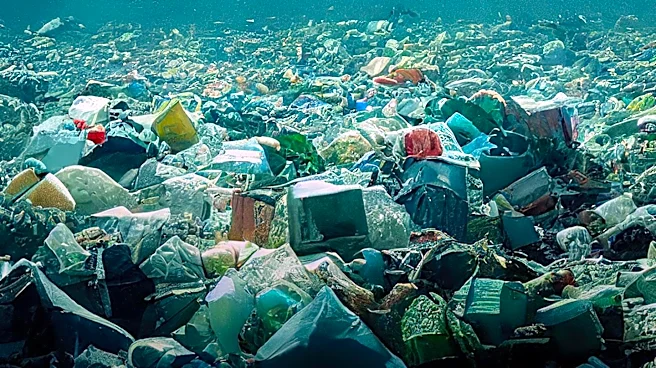
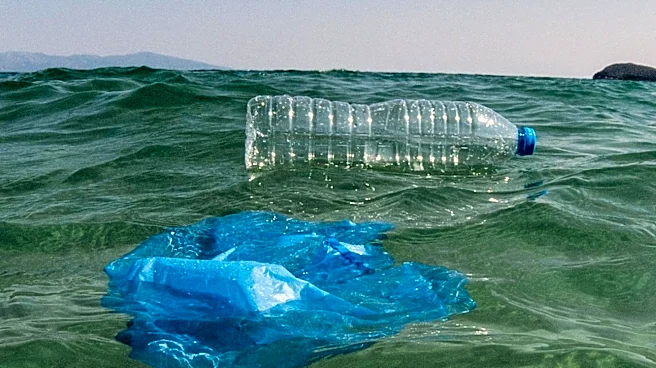
Plastic pollution and marine litter pose significant environmental, economic, and health challenges globally, including for the U.S. The Asia-Pacific region is a major contributor to marine plastic pollution, making this forum critical for addressing the issue at its source. By focusing on implementation and scaling up solutions, the SEA of Solutions 2026 Forum aims to translate commitments into tangible actions. This is vital for protecting marine ecosystems, safeguarding biodiversity, and supporting the livelihoods of communities dependent on healthy oceans. The emphasis on partnerships and regional collaboration highlights the transboundary nature of plastic pollution, requiring concerted efforts from various stakeholders. Successful strategies developed and implemented in the Asia-Pacific region can serve as models for other parts of the world, contributing to global efforts to combat plastic pollution and promoting a circular economy for plastics. For the U.S., which is also grappling with plastic waste management, these international efforts can offer valuable insights and foster global cooperation on shared environmental goals.
What's Next?
The SEA of Solutions 2026 Forum is expected to generate actionable strategies and foster new partnerships to combat plastic pollution in the Asia-Pacific region. The discussions on policy, financing, and innovation are intended to lead to more effective and scalable solutions. Following the forum, UNEP and COBSEA, along with participating stakeholders, will likely work to implement the identified strategies and monitor progress. The insights and collaborations formed during the event will contribute to ongoing regional and global initiatives aimed at reducing plastic waste and promoting a circular economy. The forum's outcomes could also influence national policies and investment decisions in participating countries, encouraging greater adoption of sustainable practices. Continued engagement and follow-up actions will be crucial to ensure that the momentum generated at the forum translates into lasting positive impacts on marine environments.
Beyond the Headlines
The SEA of Solutions Forum underscores the complex interplay between environmental degradation, economic development, and social behavior. Beyond the immediate goal of reducing plastic pollution, the forum implicitly addresses broader issues of sustainable consumption and production patterns. The focus on behavior change and inclusion highlights the need for societal shifts and community engagement in environmental solutions, moving beyond top-down policy mandates. Ethically, it confronts the responsibility of industrialized nations and rapidly developing economies in managing waste and promoting sustainable practices. Legally, it could pave the way for stronger regional agreements and enforcement mechanisms for plastic waste management. Culturally, it aims to foster a greater awareness and appreciation for marine ecosystems, encouraging a shift towards more environmentally conscious lifestyles and business practices. The forum's success could demonstrate how regional cooperation can effectively tackle global environmental crises, offering a blueprint for other pressing ecological challenges.