
What's Happening?
The conflict in the Middle East has intensified as Iran launched retaliatory strikes across the region, leading to the deaths of six U.S. service members. The Pentagon has identified four of these soldiers, who were part of the 103rd Sustainment Command,
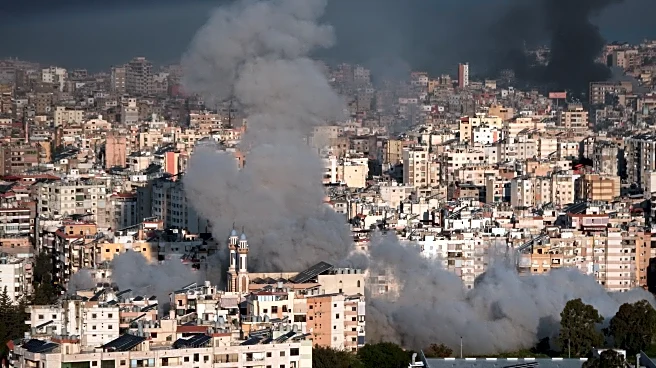
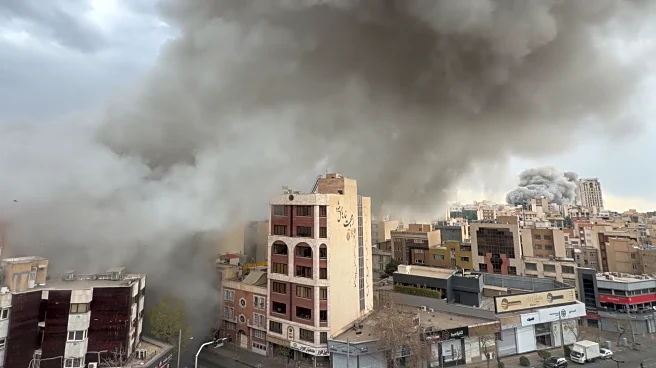
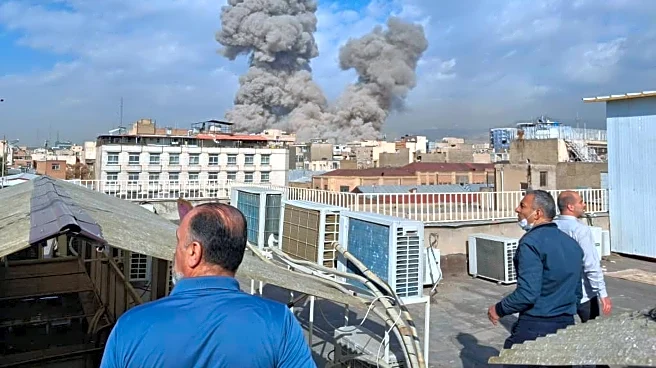
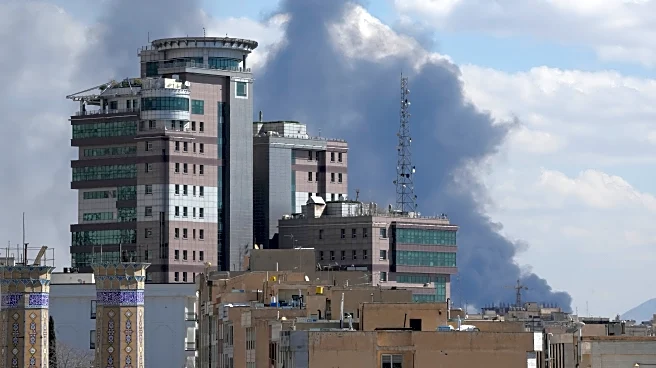
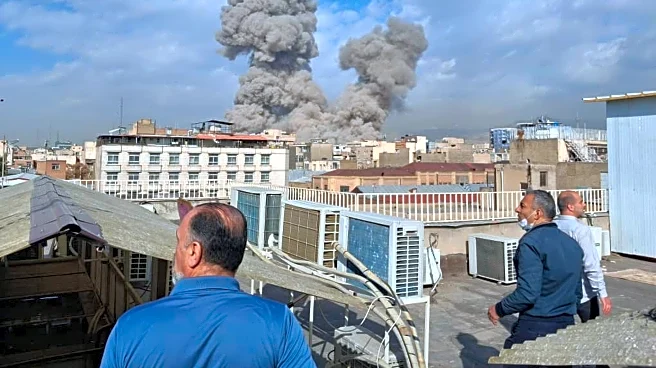
an Army Reserve unit based in Des Moines. They were killed in a drone attack in Kuwait. In response to the escalating violence, the United States has closed its embassies in Saudi Arabia and Kuwait. Israel has also been active, launching strikes against targets in Tehran, including the presidential office, and advancing ground troops into Lebanese territory. Hezbollah has retaliated by targeting Israel with drones. The conflict, now in its fourth day, has resulted in a growing death toll. President Trump has indicated that U.S. forces are prepared to continue operations against Iran for a longer duration than initially projected by the military.
Why It's Important?
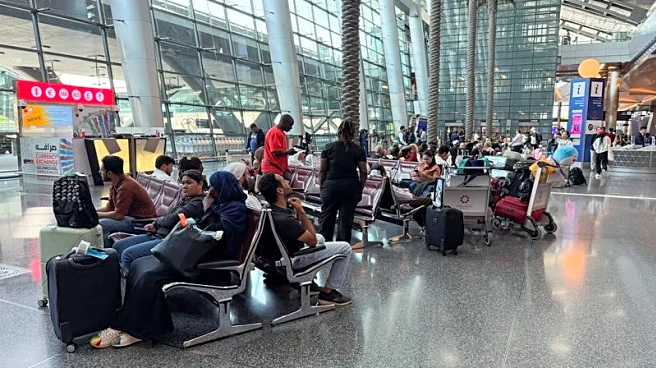
The escalation of conflict in the Middle East poses significant implications for international relations and regional stability. The involvement of U.S. service members highlights the direct impact on American military personnel and the potential for further U.S. military engagement. The closure of U.S. embassies in key Gulf states underscores the heightened security risks and the potential disruption to diplomatic relations. The conflict also threatens global oil markets, as the Persian Gulf is a critical region for oil production and export. The actions of Israel and Hezbollah further complicate the geopolitical landscape, potentially drawing in additional regional and international actors. The situation demands careful monitoring as it could lead to broader military engagements and impact global economic conditions.
What's Next?
As the conflict continues, there are several potential developments to watch. The U.S. military may increase its presence in the region to protect its interests and allies. Diplomatic efforts may intensify to de-escalate tensions, involving key international players such as the United Nations or neighboring countries. The response from Iran and its allies, including further retaliatory actions, will be critical in determining the conflict's trajectory. Additionally, the impact on global oil prices and supply chains could prompt economic responses from major economies. The situation remains fluid, with the potential for rapid changes depending on military and diplomatic actions.