



What's Happening?
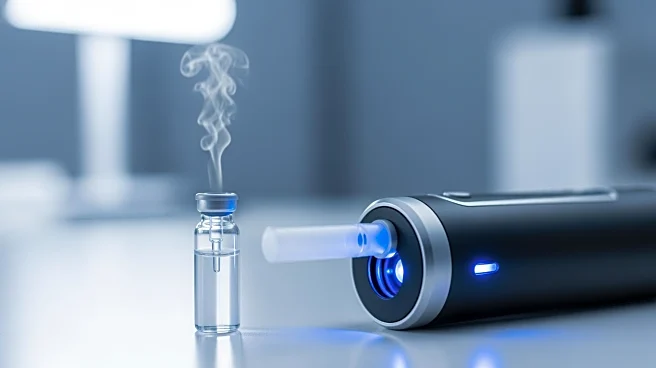
A new breath test designed to detect pancreatic cancer at an early stage is currently undergoing a large-scale clinical trial in the UK. The trial, known as the VAPOR study, is a collaboration between Imperial College London and the nonprofit Pancreatic
Cancer UK. It aims to enroll 6,000 patients across 40 locations in Scotland, Wales, and England. The test works by detecting Volatile Organic Compounds (VOCs) in a person's breath, which can indicate the presence of cancer. Pancreatic cancer is notoriously difficult to diagnose early due to its common and easily dismissed symptoms such as back pain, indigestion, and fatigue. The breath test is seen as a potential breakthrough in early detection, which could significantly improve survival rates.
Why It's Important?
Pancreatic cancer is one of the most fatal forms of cancer, with a high mortality rate due to late diagnosis. In the United States alone, approximately 67,440 people are expected to be diagnosed with pancreatic cancer in 2025, with around 52,000 deaths anticipated. Early detection is crucial as more than 60% of cases are diagnosed at Stage 4, where treatment options are limited and survival rates are low. The development of a reliable early detection method like the breath test could revolutionize the approach to pancreatic cancer, potentially saving thousands of lives by allowing for earlier intervention and treatment.
What's Next?
If the VAPOR study proves successful, the breath test could become a standard tool for early pancreatic cancer detection. This would likely lead to further research and development to refine the technology and expand its use. Healthcare systems may need to adapt to incorporate this new diagnostic tool, which could involve training medical professionals and updating screening protocols. Additionally, the success of this test could inspire similar innovations for other types of cancer, further advancing the field of oncology.