



What's Happening?
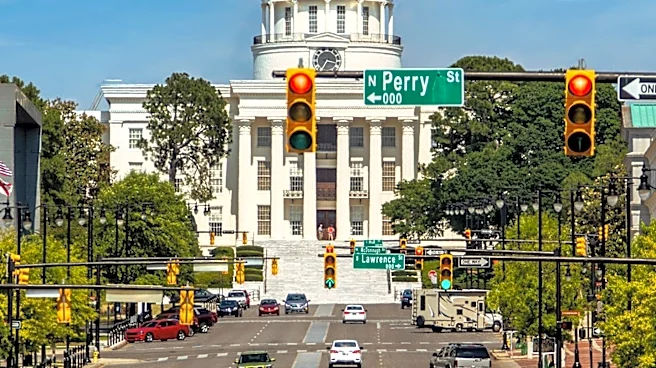
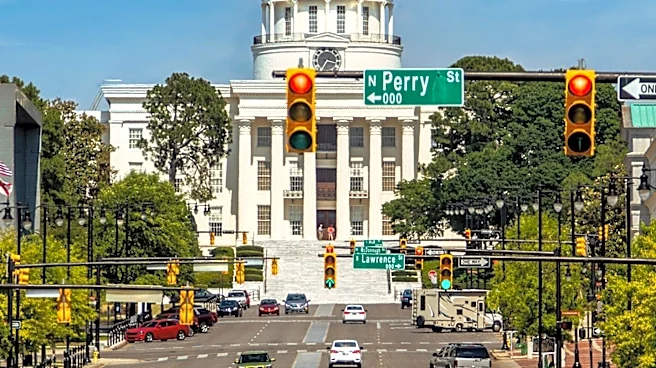
Alabama Governor Kay Ivey, alongside state lawmakers, broadband providers, and utility representatives, celebrated a decade of significant broadband expansion at the State Capitol. This initiative has successfully brought high-speed internet access to 90
percent of addresses statewide. State officials reported a substantial increase in the availability of internet service offering speeds of 100 megabits per second for both downloads and uploads, rising from 25 percent of addresses in 2021 to 90 percent today. Over the past five years, fiber availability has more than doubled, and residential broadband subscriptions have increased by 40 percent since 2018. Officials credited state funding, federal pandemic relief, and public-private partnerships for these advancements, particularly in underserved rural communities. Governor Ivey noted that when she became governor, many Alabamians, especially in rural areas, lacked reliable internet access.
Why It's Important?
The expansion of high-speed internet access to 90% of addresses in Alabama is a critical development for the state's economic growth, educational opportunities, and overall quality of life. Reliable broadband is essential for modern commerce, enabling businesses to compete in a digital economy and fostering job creation. For education, it ensures students in all areas have access to online learning resources, bridging the digital divide. In healthcare, expanded internet access facilitates telehealth services, improving access to medical care for rural populations. The significant investment of state funding, federal pandemic relief, and public-private partnerships highlights a concerted effort to address a fundamental infrastructure need. This initiative directly benefits residents by providing essential connectivity, reducing disparities between urban and rural areas, and positioning Alabama for future technological advancements.
What's Next?
With 90% of addresses now having access to high-speed internet, Alabama's next steps will likely focus on reaching the remaining 10% and ensuring equitable access and affordability for all residents. The state will continue to work with internet providers, electric cooperatives, and utilities to deploy additional infrastructure, particularly in the most remote and challenging-to-serve areas. Ongoing monitoring and evaluation of the broadband network's performance and accessibility will be crucial. Furthermore, efforts may shift towards promoting digital literacy and ensuring that residents can effectively utilize the newly available internet services. The success of this decade-long expansion could serve as a model for other states facing similar challenges in bridging the digital divide.
Beyond the Headlines
The broadband expansion in Alabama represents more than just technological advancement; it signifies a fundamental shift in how rural communities can participate in the modern world. Access to high-speed internet can combat rural depopulation by making remote work more feasible and attracting new businesses. It can also empower local communities by providing platforms for civic engagement, access to government services, and opportunities for entrepreneurship. The reliance on public-private partnerships underscores a collaborative approach to infrastructure development, where government incentives and private sector expertise combine to achieve ambitious goals. This initiative also highlights the long-term impact of federal relief funds, demonstrating how such investments can drive transformative change in critical infrastructure.