






What's Happening?
Madawaska, Maine, is undergoing a significant revitalization project for its midtown plaza on Main Street, with full completion anticipated by early 2028. The project includes the development of a makerspace, which will serve as a central hub for local
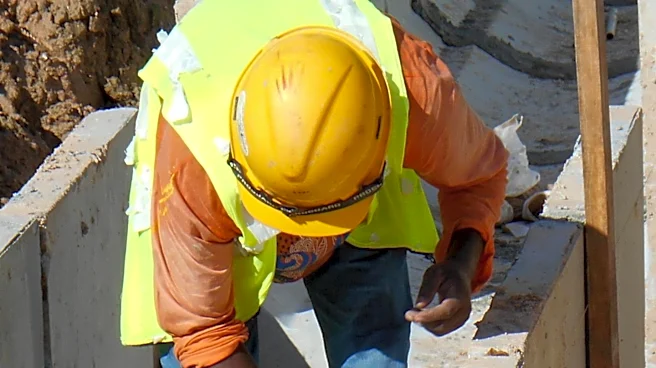
entrepreneurs, allowing them to operate without the need to purchase their own buildings. This initiative is part of a broader effort that has already seen the opening of a 30,000-square-foot Fish River Rural Health facility and plans for a Northern Maine Medical Center medical mall in the former Kmart building. The first phase of work, expected to conclude later this year, involves constructing a new public parking area, enhancing pedestrian walkways, installing new lighting, and creating a recreational trail connecting downtown areas. The town has secured over $4 million in funding, including $2 million from congressionally directed spending and another $2 million from a U.S. Economic Development Administration grant, in addition to a $750,000 bond. Brent Bridges of Woodard & Curran provided updates on the project, noting that bids for the makerspace came in high, and discussions are underway with Devoe Construction, the lowest bidder, to identify potential savings.
Why It's Important?
This revitalization project is crucial for Madawaska's economic and social landscape, aiming to transform a visible area of Main Street into a vibrant community center. The introduction of a makerspace directly supports local entrepreneurship by reducing barriers to entry for small businesses, fostering innovation, and potentially creating new jobs. The broader plaza upgrades, including improved infrastructure like parking, walkways, and recreational trails, will enhance the town's appeal for residents and visitors, potentially boosting local commerce and quality of life. The significant federal and local funding secured for this project underscores a concerted effort to stimulate economic growth and community development in rural Maine. By attracting healthcare facilities like Fish River Rural Health and Northern Maine Medical Center, the plaza is also becoming a central point for essential services, further solidifying its role as a community anchor. The project reflects a strategic approach to urban renewal, addressing both economic vitality and community well-being.
What's Next?
Crews are scheduled to complete final paving work on the right side of the plaza soon, then shift operations closer to the new Fish River Rural Health building. Work on the left side of the plaza is set to commence after the upcoming week. A key immediate step involves negotiations with Devoe Construction to reduce costs for the makerspace project, with any proposed changes requiring town approval. The final pavement for the first parking lot, where the farmers market is located, will be deferred until the makerspace building is finished to prevent damage from construction activities. Additionally, the town plans to assess a long sewer line along the St. John River for issues like cracking or leaking and develop a design plan to repair any compromised manholes. These sewer repairs will be incorporated into a construction contract to be bid by local contractors. The town continues to seek additional grant opportunities to bridge any funding gaps and minimize the tax impact on residents.
Beyond the Headlines
The Madawaska plaza revitalization project represents a broader trend in rural communities across the U.S. to combat economic decline through strategic public-private partnerships and infrastructure investment. The emphasis on a makerspace highlights a shift towards supporting local, small-scale manufacturing and creative industries as drivers of economic resilience. This initiative could serve as a model for other towns facing similar challenges, demonstrating how repurposing existing commercial spaces and integrating diverse community functions—from healthcare to entrepreneurship—can foster sustainable growth. The project also touches upon environmental infrastructure, with planned sewer line inspections and repairs, indicating a holistic approach to urban development that considers both visible improvements and underlying municipal services. The long-term success of such projects often depends on continued community engagement and adaptability to evolving economic needs, potentially leading to a more self-sufficient and vibrant local economy.