



What's Happening?
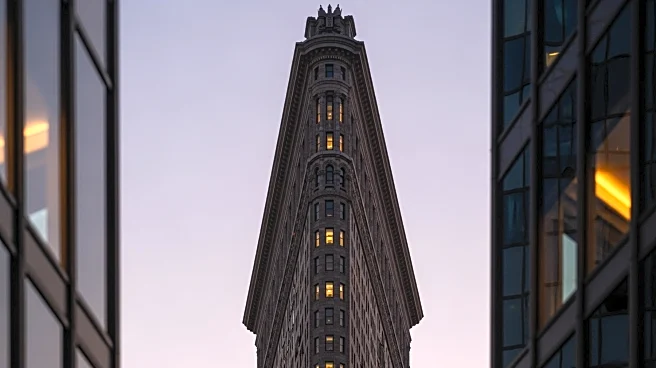
The iconic Flatiron Building in New York City is undergoing a significant transformation by opening its doors to residents for the first time in its 124-year history. This landmark, known for its distinctive triangular shape, is being converted into private
residences, marking a new chapter in its storied existence. The move to residential use reflects a broader trend in urban development where historic buildings are repurposed to meet modern housing demands. This change aims to preserve the architectural integrity of the Flatiron Building while adapting it to contemporary living needs.
Why It's Important?
The conversion of the Flatiron Building into residential space is significant for several reasons. It highlights the ongoing trend of adaptive reuse in urban areas, where historic structures are preserved and repurposed to meet current market demands. This approach not only helps in maintaining the cultural and architectural heritage of cities but also addresses the growing need for housing in densely populated areas like New York City. The transformation of such a prominent building could set a precedent for similar projects, encouraging the preservation of historic sites while contributing to urban revitalization and economic growth.
What's Next?
As the Flatiron Building transitions to residential use, potential challenges and opportunities will arise. Stakeholders, including city planners, preservationists, and potential residents, will need to navigate the complexities of maintaining the building's historical significance while ensuring it meets modern living standards. The success of this project could influence future developments in urban areas, promoting a balance between preservation and innovation. Additionally, the impact on the local real estate market and community dynamics will be closely monitored as the building welcomes its first residents.