







What's Happening?
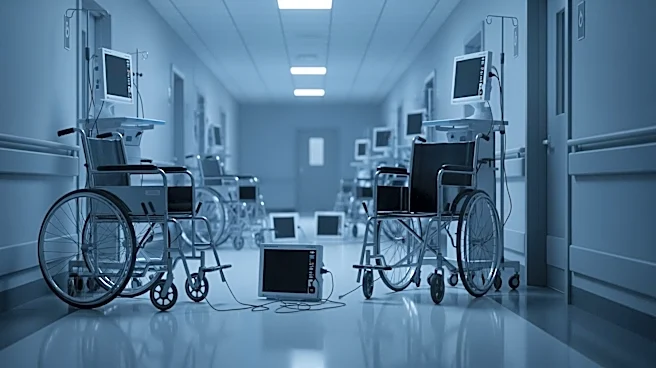
Hospitals are increasingly vulnerable to 'digital darkness' events, which occur when access to electronic systems and patient information is lost. These events can result from cyberattacks, ransomware, vendor outages, or natural disasters, causing significant
operational disruptions and patient safety concerns. The fictional portrayal of such events in the television show 'The Pitt' highlights the real-world risks faced by healthcare facilities. As healthcare systems become more integrated and reliant on digital technologies, the potential for these disruptions grows, posing challenges for patient care and safety.
Why It's Important?
The increasing reliance on digital systems in healthcare means that any disruption can have severe consequences for patient care. Digital darkness events can delay diagnoses, treatments, and access to critical patient information, potentially leading to adverse outcomes, including patient deaths. As healthcare systems continue to digitize, the need for robust backup systems and disaster recovery plans becomes more critical. Policymakers and healthcare leaders must prioritize the development of strategies to mitigate these risks and ensure continuity of care during digital outages.
What's Next?
Healthcare organizations are urged to treat digital darkness events as inevitable and prepare accordingly. This includes developing standard operating procedures, conducting regular drills, and ensuring staff are trained to operate without digital systems. Policymakers must also ensure that regulations keep pace with technological advancements to protect patient data and maintain safety standards. Collaboration between healthcare providers, regulators, and technology developers will be essential to address these challenges and enhance the resilience of healthcare systems.