










What's Happening?
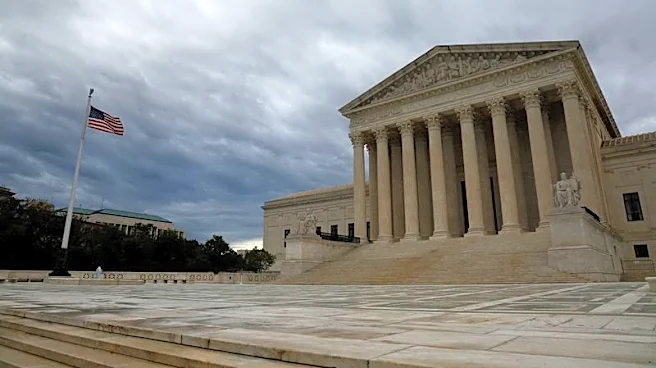
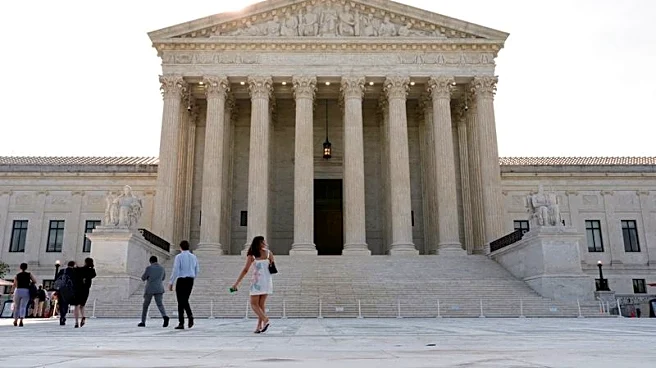
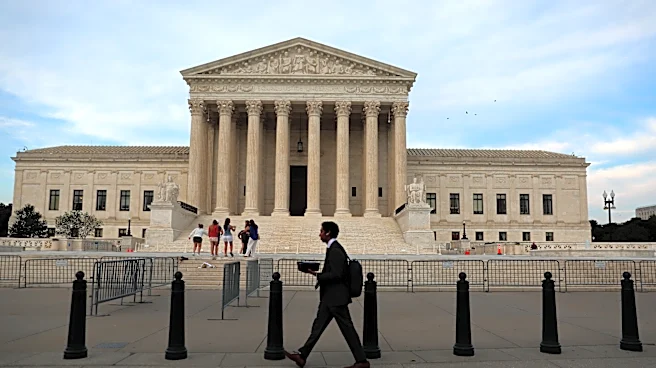
The U.S. Supreme Court has overruled the 1935 decision in Humphrey's Executor, which had protected the heads of independent agencies from being dismissed at the president's discretion. The ruling, decided by a 6-3 vote, marks a significant shift in the balance
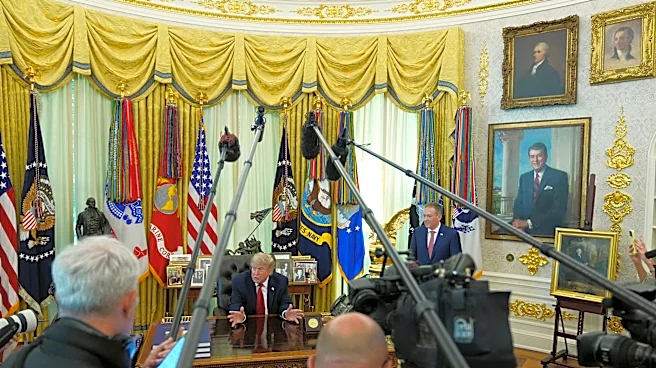
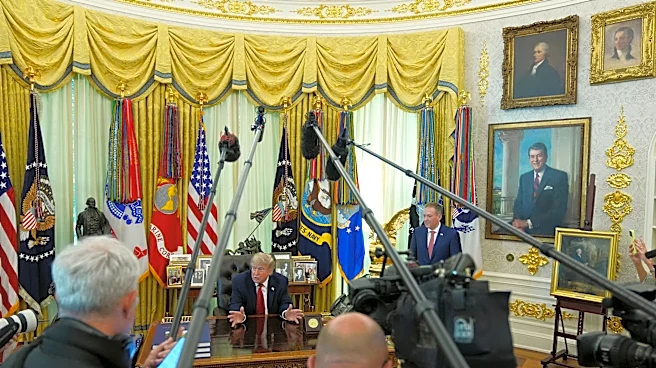
of power between the executive branch and independent federal agencies. The decision allows the president to remove agency heads at will, except for the Federal Reserve, which was spared in a close 5-4 vote. This ruling aligns with the objectives outlined in Project 2025, a blueprint advocating for increased presidential control over federal agencies. The court's decision effectively neutralizes the independence of several agencies by allowing the president to replace their leadership, thereby altering the agencies' operational dynamics.
Why It's Important?
This Supreme Court decision has profound implications for the structure and function of U.S. federal agencies. By allowing the president to remove agency heads at will, the ruling enhances executive power, potentially leading to increased political influence over agencies traditionally insulated from such pressures. This could affect the impartiality and effectiveness of agencies like the National Labor Relations Board and the Federal Trade Commission, which are designed to operate independently to ensure fair and unbiased regulation. The decision may lead to significant policy shifts as new leadership aligns agency actions with the president's agenda, impacting industries, regulatory practices, and public policy. Critics argue that this undermines the checks and balances intended by Congress, while supporters claim it enhances accountability.
What's Next?
Following this ruling, there may be a wave of leadership changes across various federal agencies as the president exercises this newfound authority. This could lead to rapid policy changes and shifts in regulatory focus, depending on the administration's priorities. Legal challenges and legislative responses are possible as Congress and other stakeholders react to the decision's implications. The ruling may also prompt discussions about the future of agency independence and the balance of power within the federal government. Observers will be watching closely to see how this decision affects agency operations and the broader regulatory landscape.
Beyond the Headlines
The decision raises questions about the long-term impact on the U.S. administrative state and the potential erosion of agency expertise and continuity. By allowing frequent leadership changes, the ruling could disrupt ongoing projects and initiatives, affecting the agencies' ability to fulfill their mandates effectively. Additionally, the decision may influence future judicial appointments and the ideological composition of the Supreme Court, as the balance of power between branches of government becomes a focal point in political discourse.