


What's Happening?
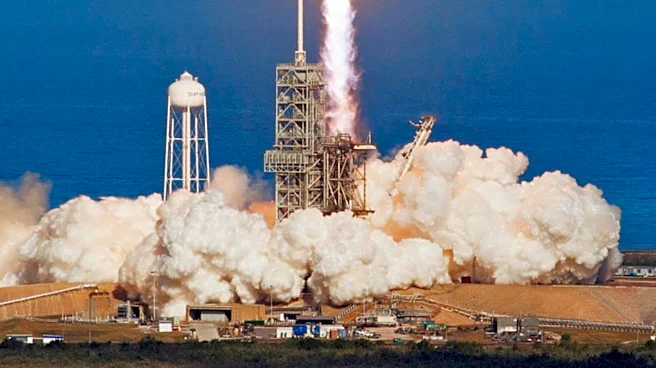
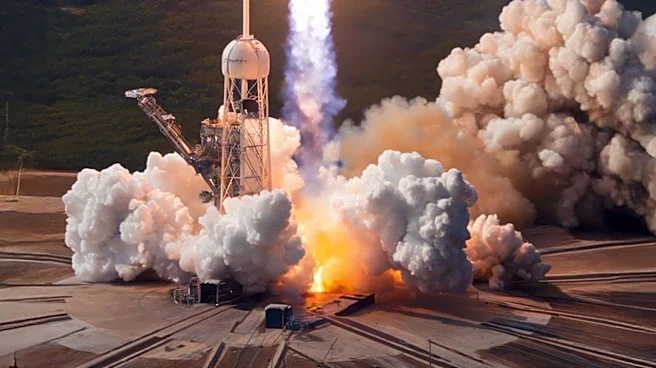
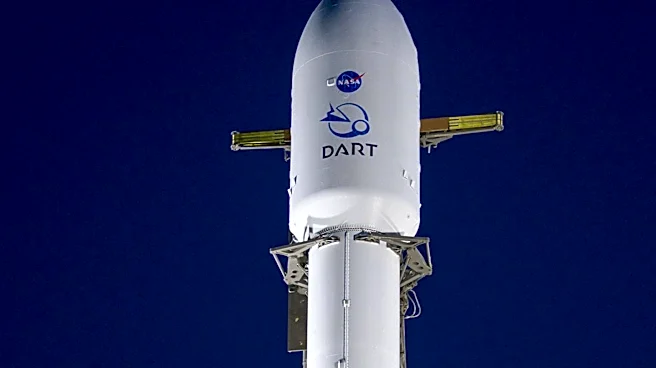
A SpaceX Falcon 9 rocket stage recently made an unplanned impact on the moon, adding to the history of human-made objects colliding with the lunar surface. The collision, which was unintentional, occurred due to gravitational forces and solar activity.
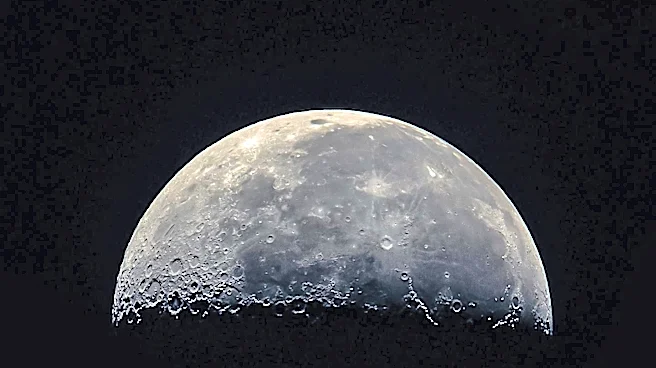
This event is part of a long history of lunar impacts, both planned and accidental, dating back to the early days of space exploration. The impact provided an opportunity for astronomers to observe the resulting debris plume, although no confirmed visual recordings of the impact have been reported.
Why It's Important?
The incident underscores the ongoing challenges and complexities of space exploration, particularly in managing space debris and understanding the dynamics of celestial bodies. The history of lunar impacts highlights the need for careful planning and coordination in space missions to minimize unintended consequences. As space exploration efforts continue to expand, understanding the impact of human activities on the moon and other celestial bodies is crucial for sustainable exploration and the protection of space environments.
Beyond the Headlines
The unplanned lunar impact raises questions about the future of space exploration and the management of space debris. As more countries and private companies engage in lunar missions, the potential for accidental impacts increases, necessitating international cooperation and regulation. Additionally, the incident highlights the importance of developing technologies and strategies to track and mitigate space debris, ensuring the safety and sustainability of future space endeavors.