






What's Happening?
A recent study published in Ocean & Coastal Management highlights the vulnerability of marine protected areas (MPAs) to wastewater runoff. Researchers from the University of Queensland and the Wildlife Conservation Society evaluated nitrogen loads at 1,855
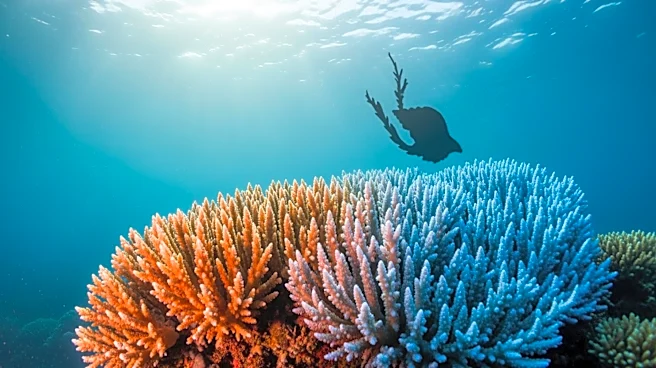
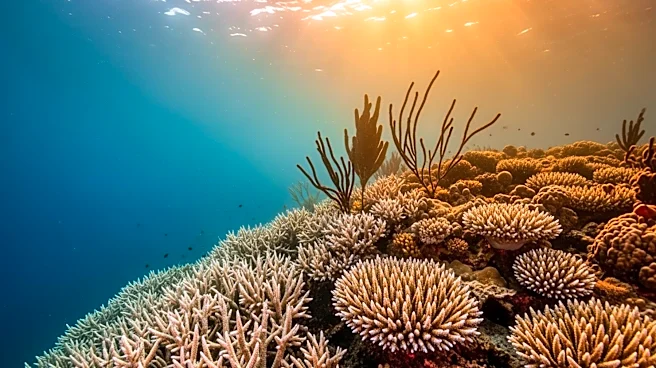
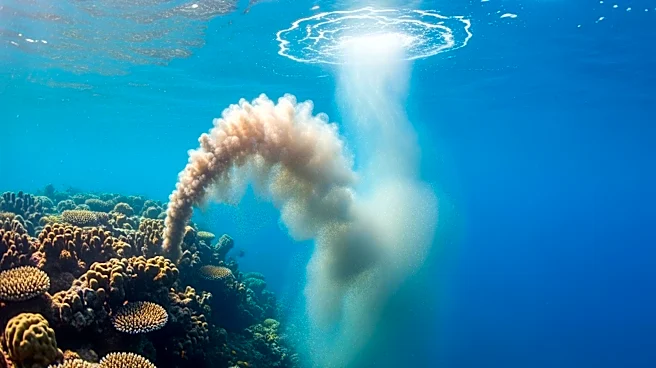
coastal MPAs globally, finding that these areas are more affected by pollution than unprotected waters. The study emphasizes that excess nitrogen from agricultural and sewage sources can harm coral reefs and marine biodiversity. The findings suggest that without addressing wastewater pollution, MPAs may fail to protect marine life effectively.
Why It's Important?
The study underscores the critical need to address land-based pollution sources to ensure the effectiveness of MPAs. As MPAs are designed to safeguard marine biodiversity, the unchecked pollution from wastewater runoff poses a significant threat to their ecological integrity. This research calls for a reevaluation of conservation strategies, emphasizing the importance of integrating pollution control measures into MPA management. The findings could influence policy decisions and funding allocations, prioritizing investments in wastewater treatment and pollution mitigation to enhance the conservation value of MPAs.
What's Next?
The study's authors advocate for increased investment in wastewater management to protect MPAs. Policymakers and environmental organizations may need to collaborate on developing comprehensive strategies that address both the expansion and the ecological health of MPAs. Future efforts could focus on improving infrastructure to reduce nitrogen runoff and implementing stricter regulations on pollution sources. Additionally, public awareness campaigns could highlight the importance of protecting MPAs from pollution, encouraging community involvement in conservation efforts.