


What's Happening?
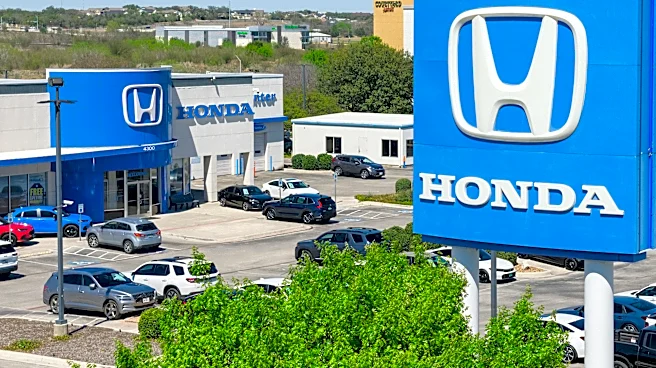
American Honda Motor Co., Inc. and Honda Motor Co., Ltd. are facing a proposed class action lawsuit alleging that their passive keyless entry (PKE) systems in certain Honda and Acura vehicles are highly vulnerable to theft. The 77-page lawsuit claims
that Honda has failed to disclose these security flaws, which have reportedly made these models among the top 20 most stolen cars in the U.S. for the 2022-2024 model years. The complaint asserts that Honda has been aware of these vulnerabilities for at least 15 years but has not offered anti-theft solutions like stealth immobilizers or informed consumers about available countermeasures. The lawsuit highlights various theft methods exploiting the PKE system, including relay theft, electronic software entry theft, Rolling-PWN attacks, and key cloning. These methods allow thieves to gain entry and start vehicles rapidly, often within minutes, by reprogramming the car's system or creating new keys. The lawsuit seeks to represent all individuals who purchased or leased a Honda or Acura vehicle with a PKE system from an authorized dealer in the U.S. since January 1, 2015.
Why It's Important?
This lawsuit carries significant implications for Honda, its customers, and the broader automotive industry. For Honda, a successful class action could result in substantial financial penalties, mandatory recalls, or requirements to provide free security upgrades to affected vehicles. It also poses a reputational risk, potentially eroding consumer trust in the security features of their vehicles. For consumers, the lawsuit underscores a critical safety and financial concern, as vehicle thefts can lead to significant monetary losses, insurance premium increases, and personal inconvenience. The case also highlights a potential gap in consumer protection, where manufacturers may be aware of security vulnerabilities but fail to adequately inform or protect their customers. If the lawsuit proceeds, it could set a precedent for how automotive manufacturers are held accountable for the security of their keyless entry systems, potentially prompting industry-wide reviews and enhancements of anti-theft technologies.
What's Next?
The class action lawsuit will proceed through the legal system, with initial phases likely involving discovery, where both sides gather evidence. Honda will have the opportunity to respond to the allegations, potentially arguing that their systems meet industry standards or that the thefts are due to external factors. The court will then determine whether to certify the class, allowing the lawsuit to proceed on behalf of all affected Honda and Acura owners. If certified, the case could lead to a settlement or go to trial. Regardless of the outcome, the lawsuit may prompt Honda to re-evaluate and potentially enhance the security features of its PKE systems, possibly offering software updates or hardware modifications to address the vulnerabilities. Other automakers might also review their own keyless entry systems to preempt similar legal challenges or public scrutiny, potentially leading to a broader industry shift towards more robust vehicle security measures.
Beyond the Headlines
Beyond the immediate legal and financial ramifications, this lawsuit touches upon deeper issues concerning technological advancement and consumer safety in the automotive sector. The increasing sophistication of vehicle technology, while offering convenience, also introduces new vulnerabilities that can be exploited by criminals. This case highlights the ongoing challenge for manufacturers to balance innovation with robust security measures. It also raises questions about the responsibility of automakers to anticipate and mitigate potential misuse of their technologies. The alleged long-standing awareness of these vulnerabilities by Honda, as claimed in the lawsuit, could point to a broader industry issue where security concerns are not prioritized until legal action or widespread public outcry forces a change. This situation could spur greater regulatory oversight on vehicle security features and push for standardized, more resilient anti-theft technologies across the automotive industry, ultimately influencing future vehicle design and consumer expectations regarding vehicle security.